Ideas
IdeasHome Shopping and DRTV
Estée Lauder Moves M·A·C Commerce to Shopify—and Plans a Wider Omnichannel Shift
The beauty group is replacing proprietary systems with shared checkout, payments, fulfillment and product-data infrastructure.
Estée Lauder is moving M·A·C and other brands to Shopify, consolidating checkout, payments, fulfillment and product data across online and physical stores.
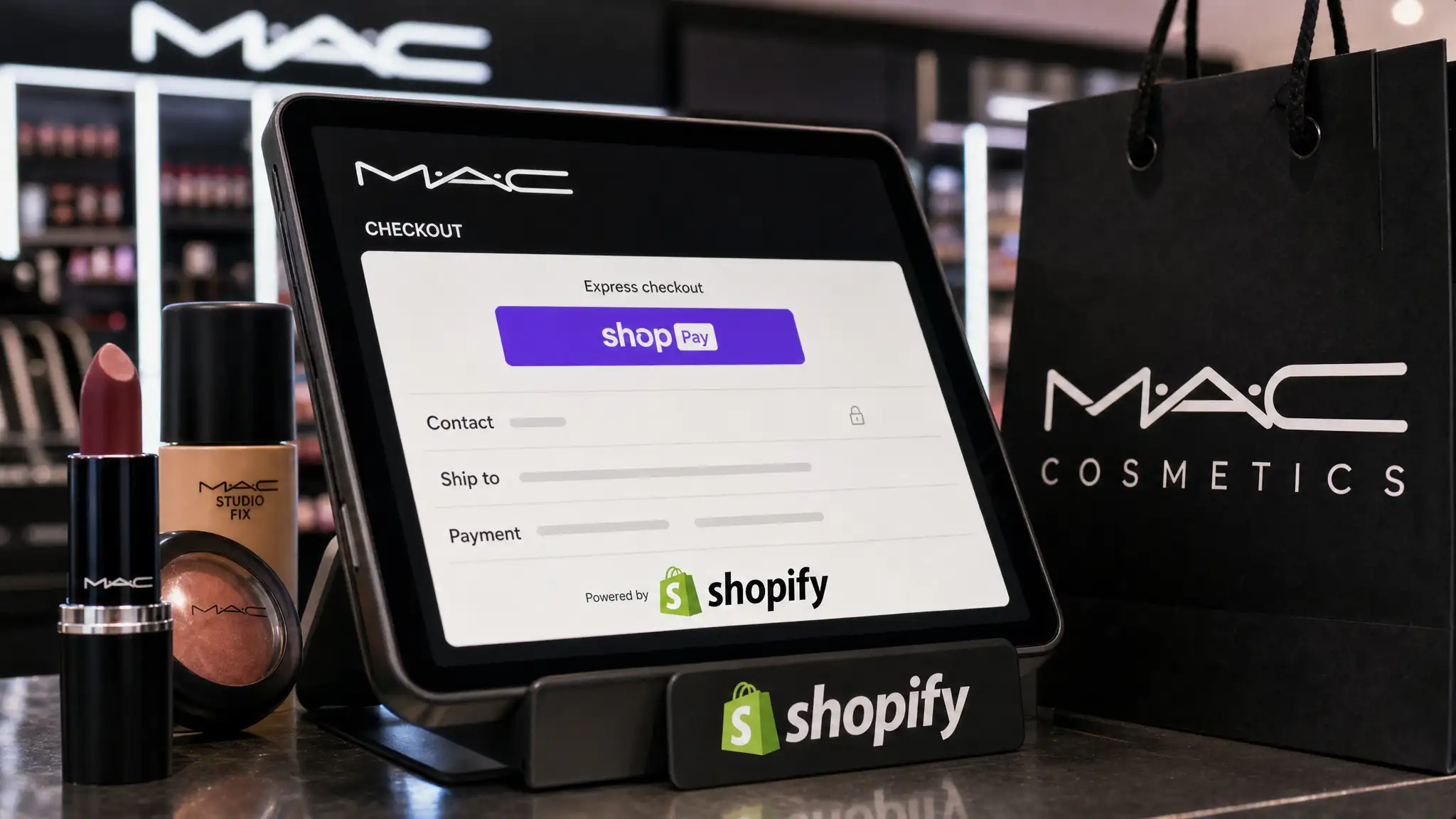
The Estée Lauder Companies is expanding its Shopify migration from TOM FORD BEAUTY and Lab Series to M·A·C Cosmetics, turning a technology partnership announced in October 2025 into a broader overhaul of how its brands process direct-to-consumer sales. M·A·C’s U.S. e-commerce site launched on Shopify in August 2026, and five M·A·C stores added Shopify checkout. Estée Lauder plans to move most of its e-commerce sites and additional freestanding stores onto the platform by the end of fiscal 2027, according to Glossy. (glossy.co)
The change replaces proprietary commerce software that had served Estée Lauder for roughly 15 to 20 years. Omer Iqbal, senior vice president of omnichannel and consumer technology at The Estée Lauder Companies, said maintaining that system had become costly and resource-intensive as commerce technology advanced. Rather than compete with Shopify and Salesforce on checkout technology, Estée Lauder intends to concentrate on brand-controlled consumer experiences and the use of its own customer data.
Shopify’s responsibilities extend beyond the visible storefront. Sandy Jeong, Shopify’s director of enterprise solutions engineering, said the M·A·C migration involved promotions, loyalty programs, checkout rules, fulfillment, payments and taxes. Shopify said the project took approximately 120 days. Estée Lauder also reported that 60% of its consumers already use Shop Pay, which stores payment and shipping information for use across participating merchants. (glossy.co)
The migration is part of Estée Lauder’s Beauty Reimagined strategy and follows its earlier Shopify launches for TOM FORD BEAUTY and Lab Series. The company has separately said Shopify is creating a unified direct-to-consumer commerce foundation; its initial TOM FORD BEAUTY implementation produced improved sales, conversion and average order value, although it did not disclose figures. Estée Lauder reported fiscal 2026 net sales of $15.05 billion, up 5% as reported. (elcompanies.com)
Shopify is also positioning the infrastructure for purchases initiated through artificial-intelligence services. Jeong said standardized catalog data can be delivered directly to shopping agents through application programming interfaces instead of depending on agents to scrape brand websites.
ConsumerEXP analysis: For television, livestream and connected-commerce sellers, the important change is consolidation. A vendor can potentially send viewers from video, social content or a QR code into a familiar checkout while using the same product data, payment, tax and fulfillment foundation across websites and stores. Estée Lauder has not reported sales attributable to television, streaming placements or QR codes, so the migration demonstrates infrastructure readiness—not measured home-shopping adoption or response performance.
Footnotes
Articles used to create this Fact Brief
Continue reading