Ideas
IdeasHome Shopping and DRTV
QVC’s Controversy Record Shows the High Cost of Trust Failures in Live Retail
Lawsuits, advertising claims and offensive messaging illustrate how reputational damage can spread across a television shopping ecosystem.
A review of QVC controversies—from Antthony Mark Hankins’ pending lawsuit to an FTC settlement and offensive marketing—shows where live-shopping businesses face reputational and compliance risks.
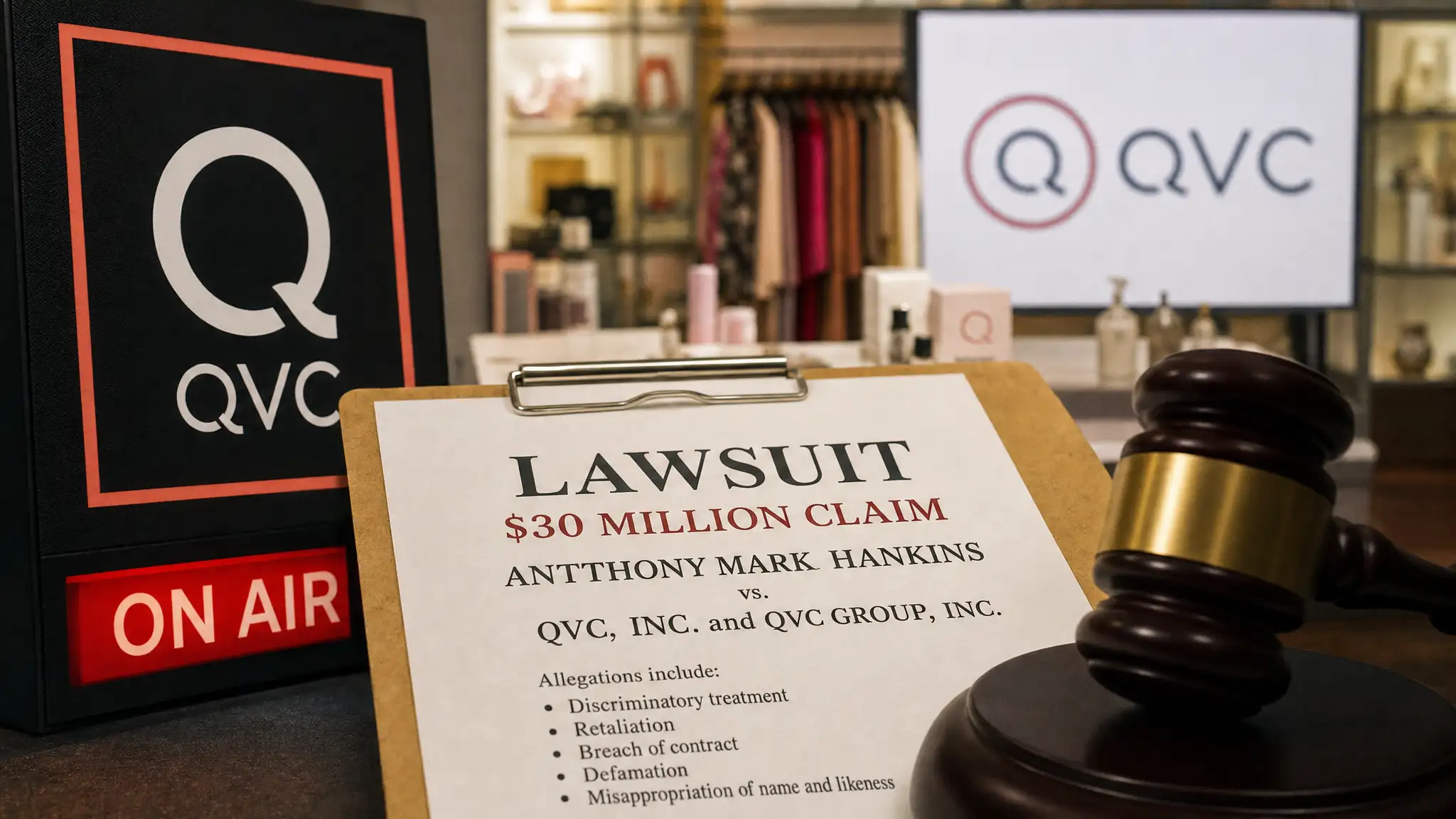
A September 20 TV Insider retrospective places fashion designer Antthony Mark Hankins’ pending lawsuit against QVC and QVC Group at the center of a longer record of controversies involving talent relations, advertising claims and corporate communications. Hankins sued the companies for $30 million in federal court in 2026 after his 31-year home-shopping career ended at QVC in 2025. His attorneys characterized the termination as abrupt and unjustified and alleged discriminatory treatment, retaliation and operational mismanagement.
Hankins alleges QVC promoted him more heavily during Black History Month but later removed him from the air despite what his complaint describes as decades of strong performance. His claims also include breach of contract, defamation, interference with third-party business relationships and misappropriation of his name and likeness in advertising. Six months later, Hankins said the case remained pending amid QVC Group’s Chapter 11 bankruptcy proceedings and that he intended to protect his work, business and three-decade legacy. The allegations have not been adjudicated in the reporting cited by TV Insider.
The dispute echoes a 1998 lawsuit from former QVC hosts Victor Velez and Gwen Owens, who alleged that QVC paid hosts of color less and assigned them to overnight shifts. QVC denied the overnight-assignment allegation. A 2006 judgment favored QVC on several claims, while the plaintiffs received $67,537 for Equal Pay Act violations; another racial-termination claim ended in a mistrial.
Product-claim oversight created a separate reputational and financial problem. The Federal Trade Commission accused QVC in 2004 of falsely advertising For Women Only weight-loss products, Lite Bites bars and other products promoted for weight loss or increased energy. QVC agreed in 2009 to pay $7.5 million to settle the charges.
QVC also faced brand-safety decisions involving celebrity chef Paula Deen, whose appearances and online product sales were paused in 2013 after she acknowledged past use of a racial slur. In 2024, QVC president Mike Fitzharris apologized after a marketing email used a derogatory phrase offensive particularly to Asian women.
ConsumerEXP analysis: For shopping networks, vendors and distributors, these episodes show that live selling’s trust proposition extends beyond on-air hosts. Product substantiation, talent contracts, advertising reuse and email approvals can all become network-level liabilities, affecting viewers’ confidence and vendors whose sales depend on the platform’s credibility.
Footnotes
Articles used to create this Fact Brief
Continue reading