Ideas
Home Shopping and DRTV
AI Shopping Agents Promise Fewer Returns—but Retailers Face a Consumer Trust Test
Adobe’s conversion data points to better-matched purchases, while retailers split over letting autonomous agents browse and buy.
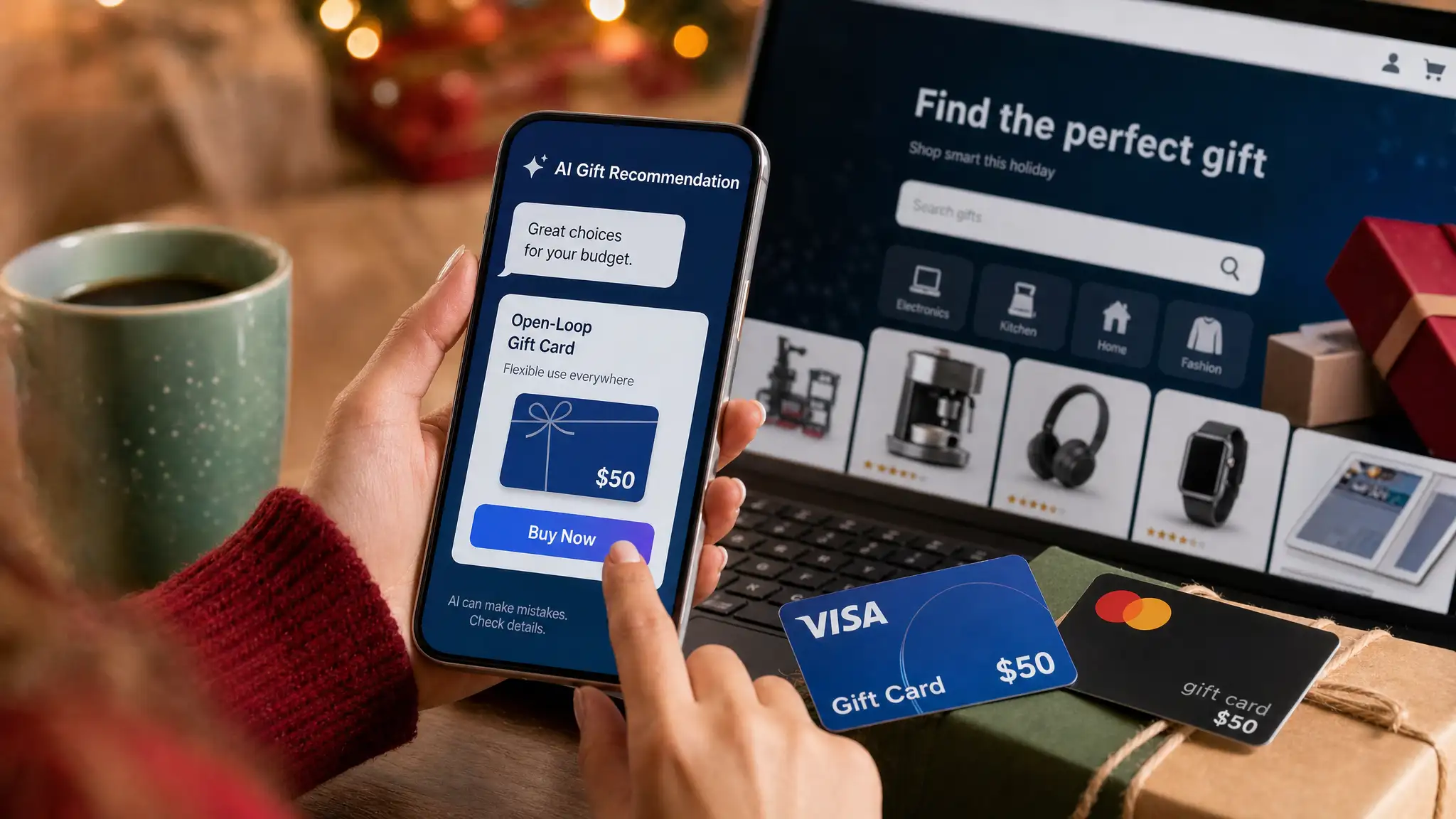
Retailers are split over autonomous AI shopping agents even as Adobe data suggests AI-assisted customers convert at higher rates and may be less likely to return purchases.
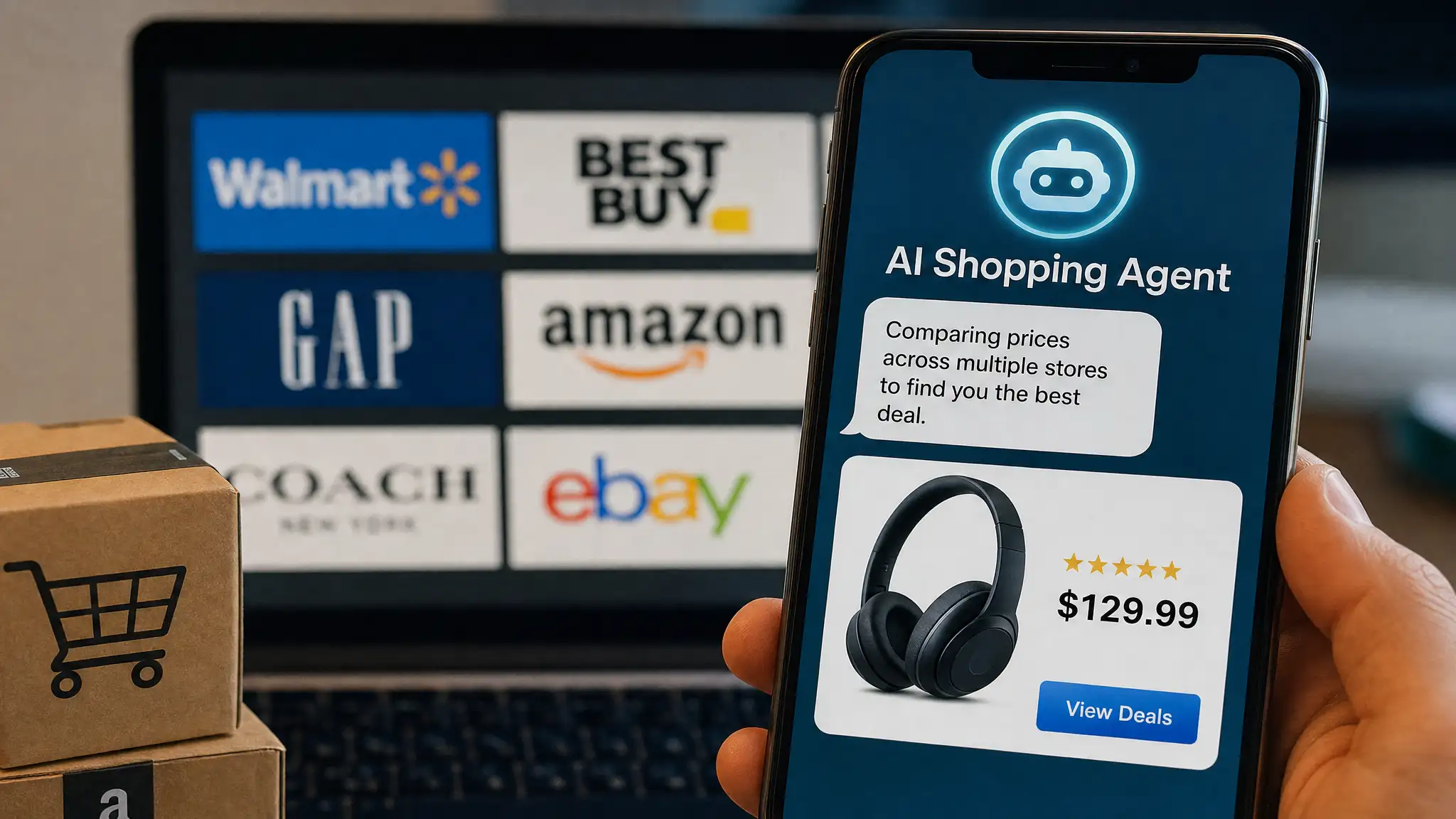
AI shopping agents are creating a new competitive fault line for retailers: early evidence suggests they can deliver better-qualified traffic and potentially reduce returns, but consumers and major ecommerce companies remain wary of allowing software to make purchases autonomously.
AdExchanger reported October 5 that Gap, Walmart and Best Buy have partnerships with Meta’s Muse agent, which includes autonomous shopping functionality. Muse can use virtual web browsers to examine multiple ecommerce sites before recommending a product, potentially moving comparison shopping away from retailers’ own websites.
Other merchants are drawing a line at checkout. Tapestry, the parent of Coach and Kate Spade, allows agents to browse its sites but does not permit them to complete transactions. The company cited risks including fraudulent purchases and agents tying up inventory in checkout carts. Tapestry is nevertheless developing systems that could support agent checkout if it later chooses to enable the feature.
Amazon has blocked Muse, pointing to consumer-privacy concerns and the agent’s failure to identify itself as a bot. eBay blocks agents unless they have express permission to access its site. Those restrictions align with weak consumer confidence: a survey from payments company NMI found that only 3% of U.S. adults would trust an agent to buy something for them.
The commercial case for AI-assisted—not necessarily fully autonomous—shopping is stronger. Practical Ecommerce highlighted Adobe’s August 2026 AI Traffic Trends Report, which analyzed Adobe Analytics data covering more than 1 trillion visits to U.S. retail sites and 100 million SKUs, along with a July survey of 5,000 U.S. consumers. Among respondents who had used AI for online shopping, 69% said they were less likely to return an AI-assisted purchase, while 77% said an AI assistant increased their purchase confidence.
Adobe also found that AI-referred retail visitors converted 60% better than non-AI-referred traffic in July 2026 and generated 53% more revenue per visit. However, Adobe’s survey responses do not yet establish that merchants’ measured return rates have fallen.
ConsumerEXP analysis: Shopping networks, video-commerce vendors and direct-response marketers should separate AI-assisted discovery from autonomous checkout. Detailed specifications, dimensions, compatibility information, delivery estimates, reviews and demonstrations could improve AI recommendations and reduce mismatched orders without requiring consumers to surrender purchasing control. The immediate opportunity is better product data and higher-intent referrals; autonomous transactions remain a trust, privacy and fraud challenge.
Footnotes
Articles used to create this Fact Brief
- The Comment Section Dies A Second Death; Consumers Aren’t Sold On Shopping AgentsAdExchanger
- AI Shopping Could Mean Fewer ReturnsPractical Ecommerce
Continue reading