Ideas
Home Shopping and DRTV
Amazon’s $19.6 Billion Ad Quarter Meets the High Cost of Creator-Led Video
Platform-scale advertising revenue is growing, but brands still face six- and seven-figure bets to finance original creator series.
Amazon generated $19.637 billion in Q3 advertising-services revenue as brands weighed estimated costs of $150,000 to $5 million for creator-led long-form series. The comparison highlights the divide between platform revenue and the rights, production costs and measurement risks facing individual sponsors.
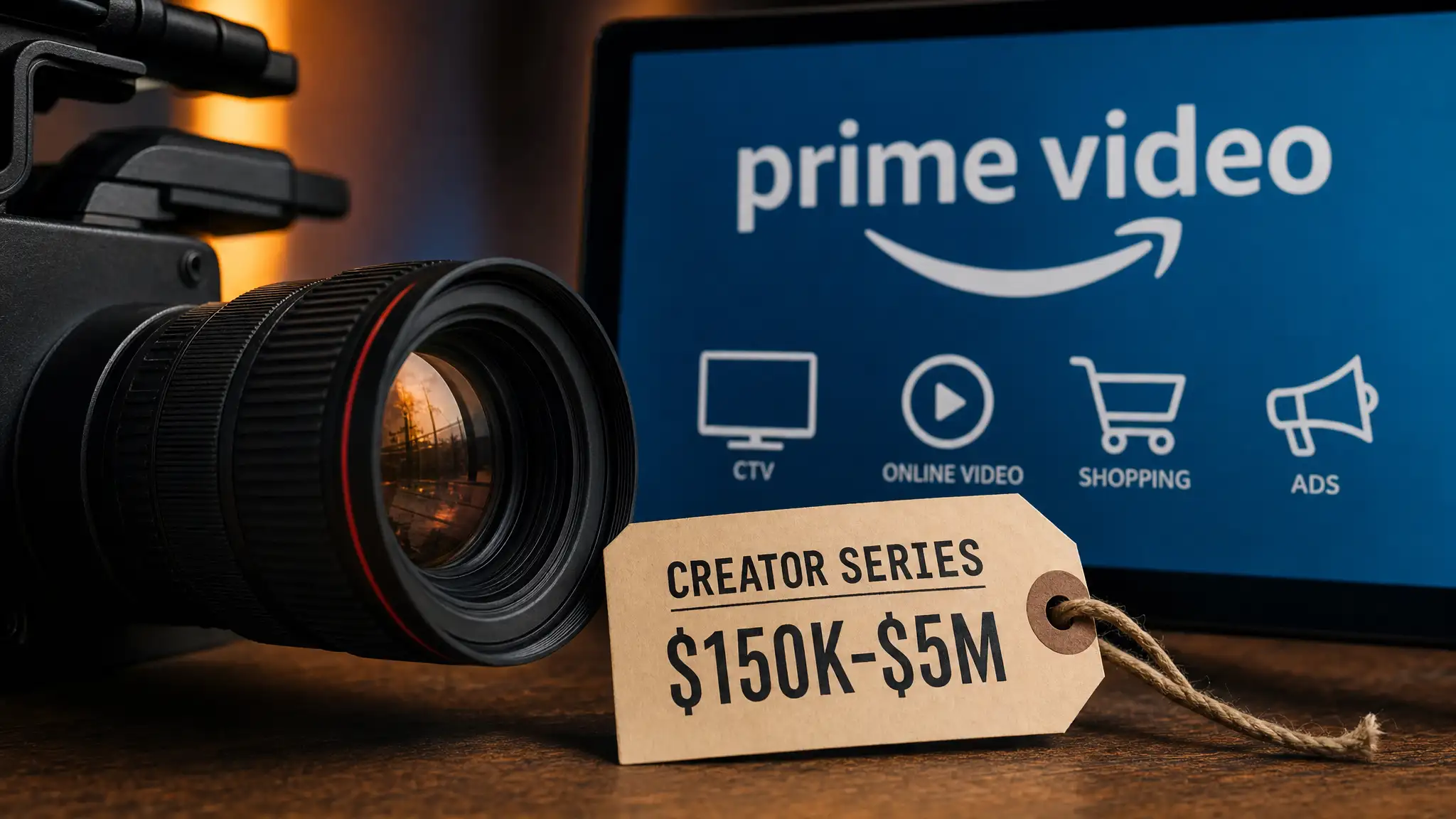
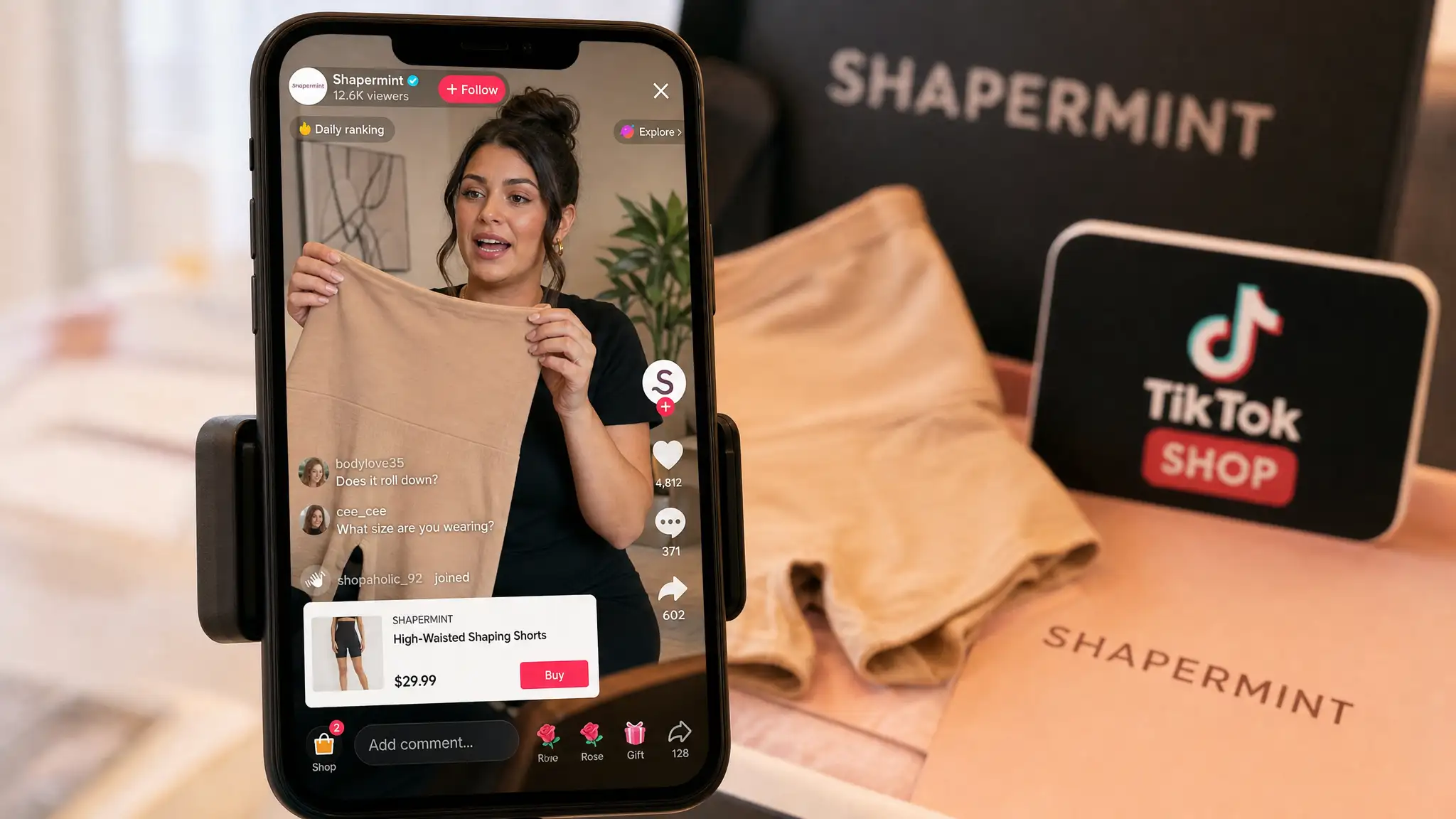
New cost reporting on creator-led video shows how uneven the economics of commerce-oriented programming remain. Digiday reported November 4 that brands can spend from $150,000 to $5 million to sponsor a long-form original series, according to Cyndi Steele, the former television executive producer who leads G&B Digital Management’s &Beyond Creators’ Studio. Those figures are Steele’s market estimates—not disclosed contracts, completed spending or measured sales results. (digiday.com)
Steele estimated that a package comprising 10 long-form episodes and three short-form videos per episode—40 pieces altogether—could average $300,000 to $500,000. Costs depend on production and post-production, the creator’s fee and audience, the number of platforms served, usage rights and intellectual-property ownership. She contrasted that package with roughly $5 million solely for physical production of 10 traditional 40-minute unscripted television episodes. (digiday.com)
The comparison matters because brands increasingly want creator footage that can travel beyond its original social platform. Digiday cited an LTK and Northwestern University study reporting that creator content is used by some brands on connected television, television advertising, affiliate marketing, display advertising and out-of-home media. That wider reuse can make a series more valuable, but it also raises the price of rights and multiplatform deliverables. (digiday.com)
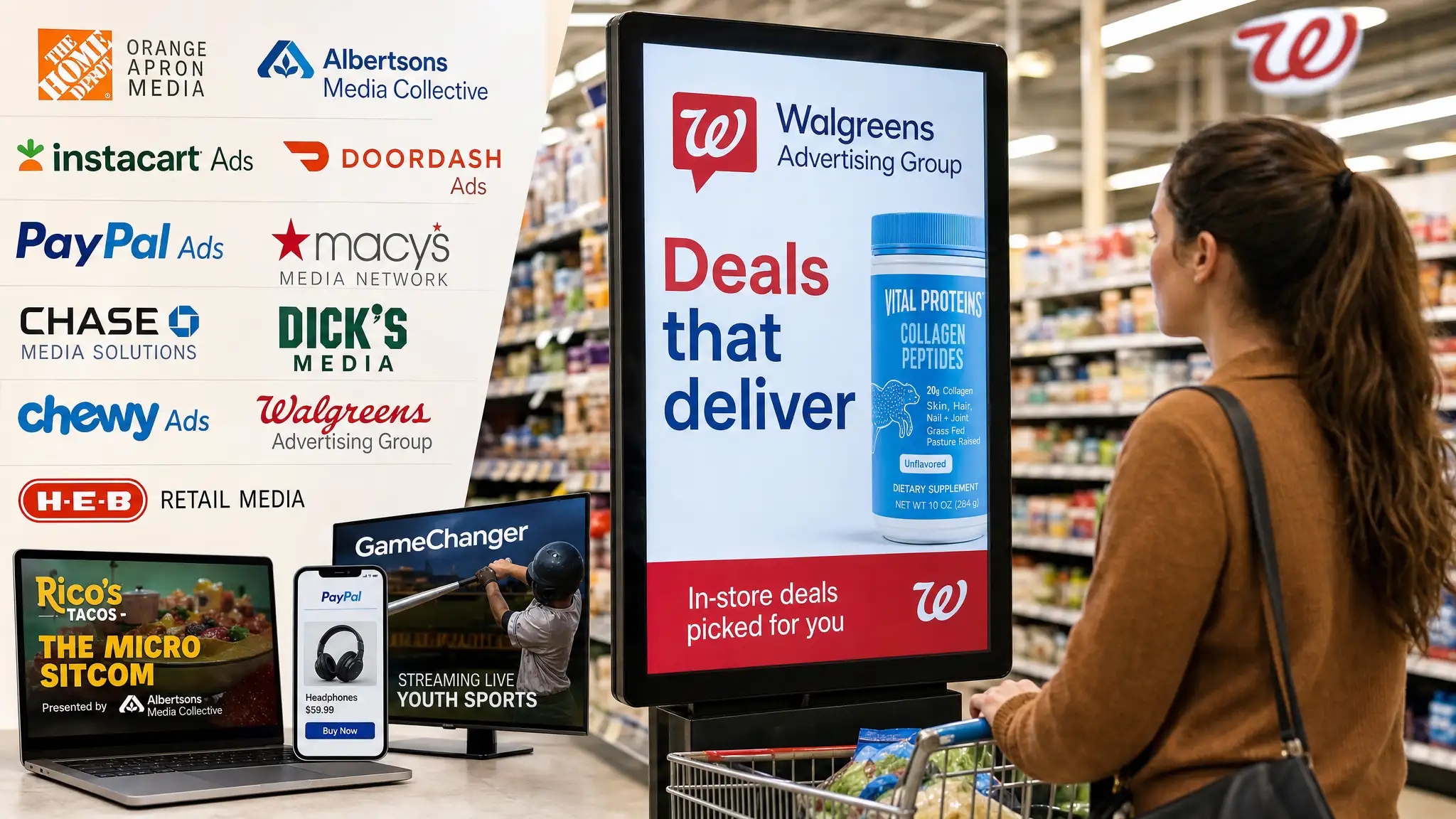
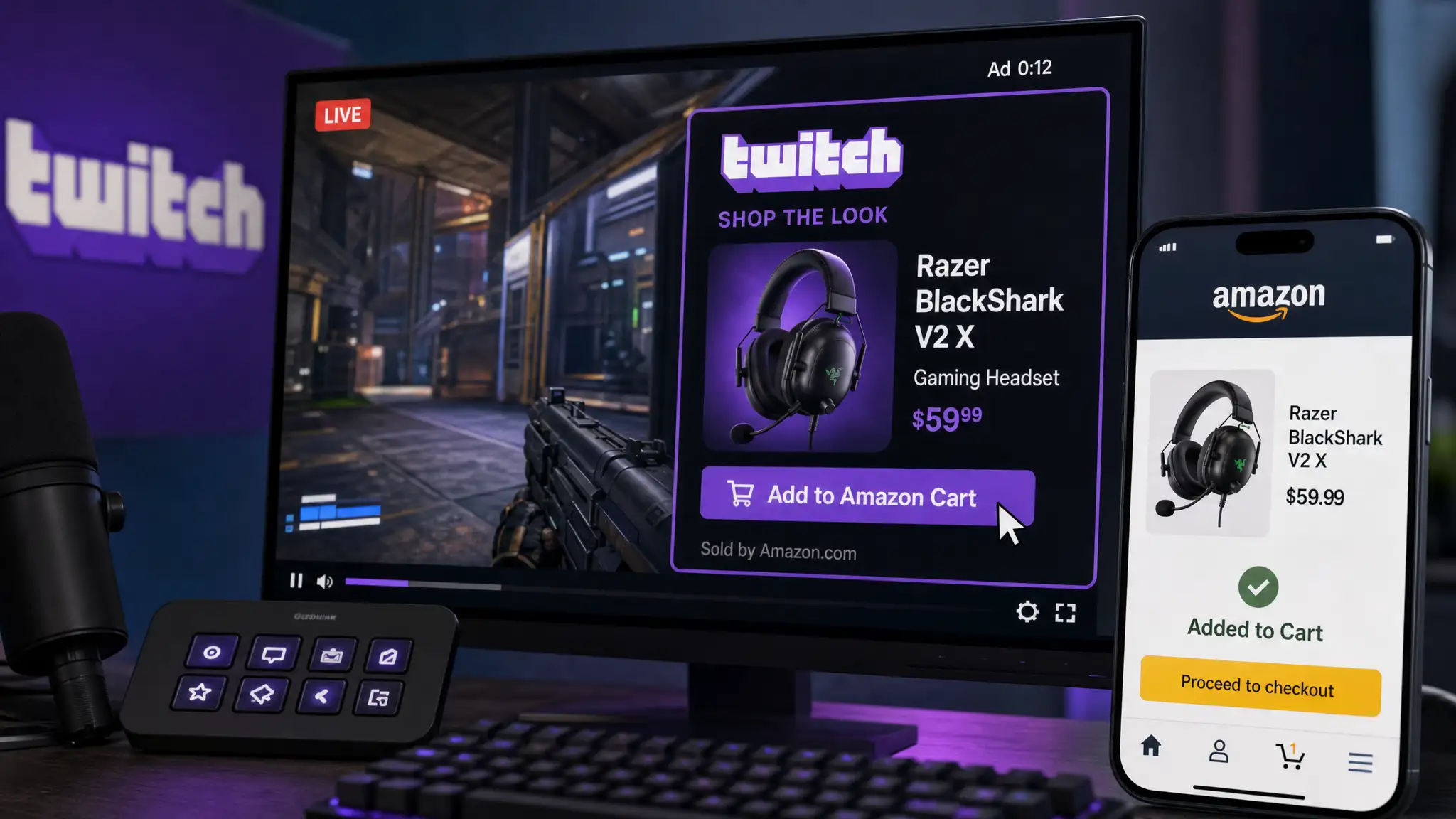
Amazon’s third-quarter results illustrate the much larger revenue pool available to a platform combining retail media, streaming and commerce data. For the three months ended September 30, Amazon reported $19.637 billion in advertising-services revenue, up 11% from $17.703 billion a year earlier. The Desk reported that growth was 12% excluding currency effects and said Amazon attributed part of the slowdown to Prime Day occurring in the second quarter of 2026 rather than the third, as it had in 2025. (sec.gov)
However, Amazon does not separately disclose how much of that advertising revenue came from Prime Video, connected television or shopping-media placements. The $19.637 billion therefore should not be compared directly with an individual creator-series budget as though both measure video economics. One is platform-wide quarterly revenue; the other is an estimated production and sponsorship range.
For brands, agencies, creators and publishers, the practical issue is ownership and accountability. Steele said &Beyond typically prefers creators to retain majority ownership, while brands may receive specifically owned assets or first refusal on future seasons rather than immediate ownership of the underlying concept. The unresolved question is whether a sponsor can connect those substantial production costs to attributable commerce, advertising value or reusable content rights—not merely audience exposure. (digiday.com)
Footnotes
Articles used to create this Fact Brief
Continue reading