Ideas
IdeasHome Shopping and DRTV
CTV’s Next Chapter: YouTube Leads as Streaming Consolidation Reshapes Advertising
Modern Retail’s 2026 research finds marketers balancing broader measurement tools against persistent cost, transparency and brand-safety concerns.
Modern Retail’s 2026 research finds YouTube leading connected-TV advertising while streaming mergers, retail-media partnerships and new attribution tools reshape marketers’ buying and measurement strategies.
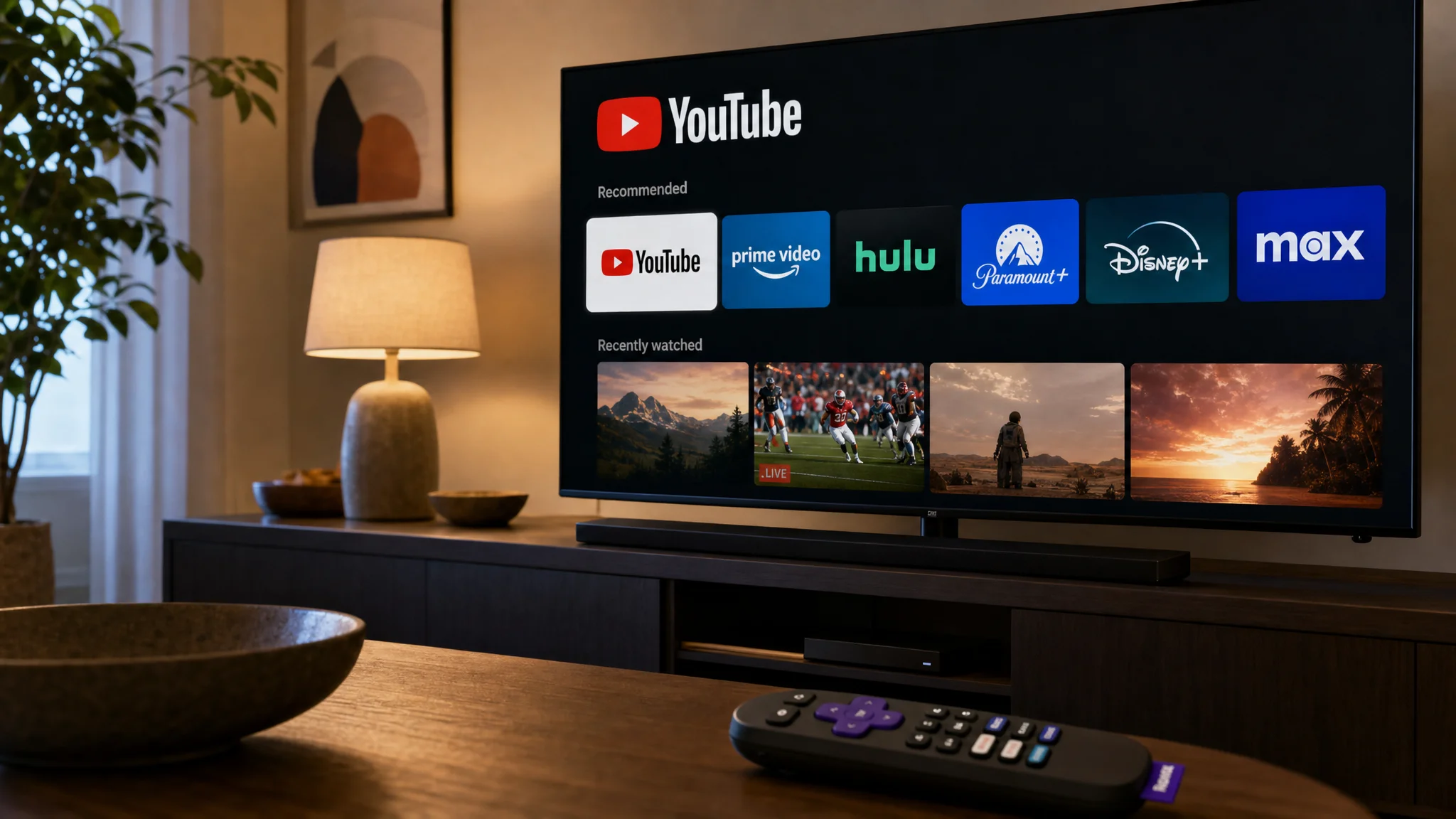
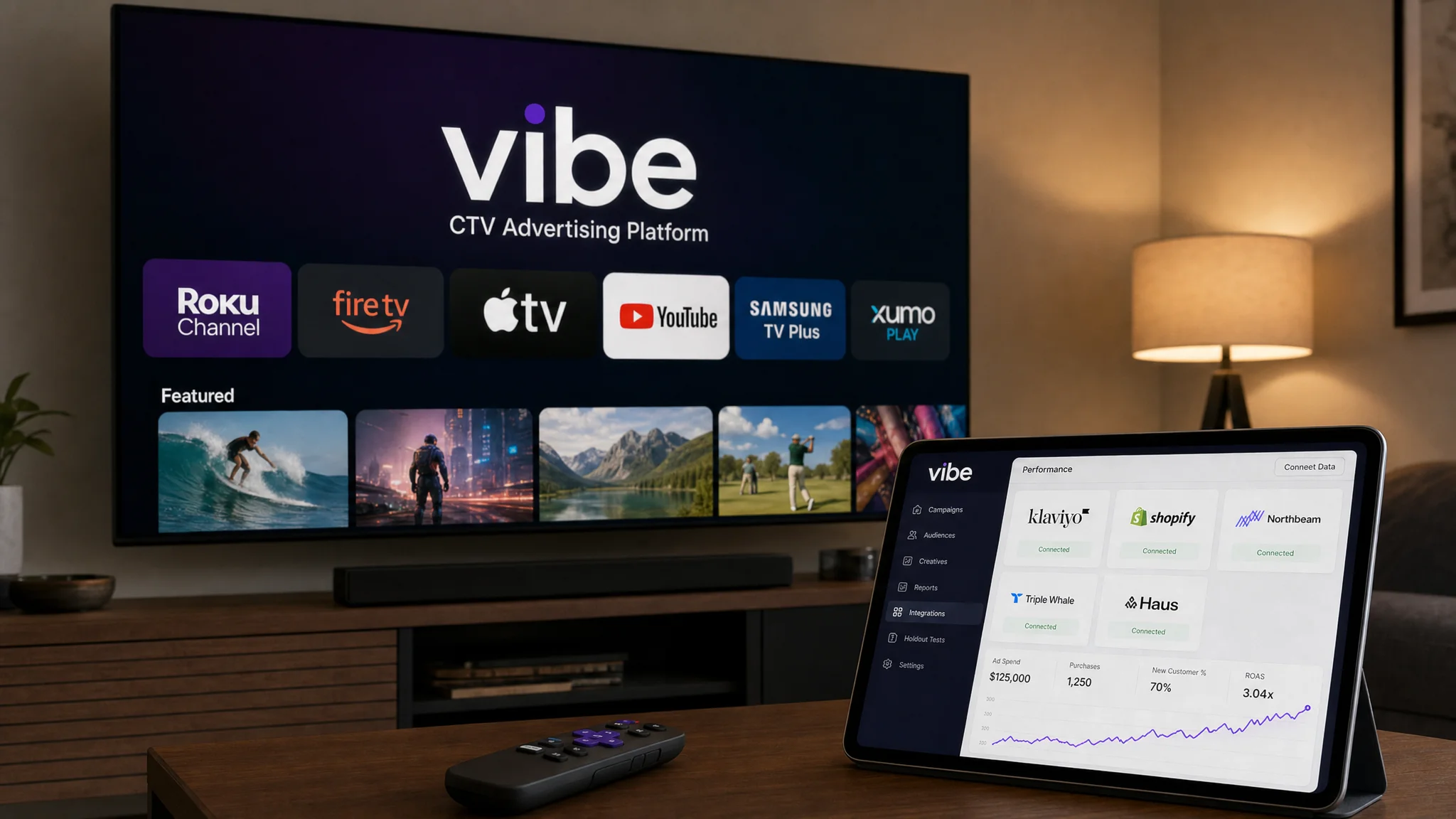
YouTube remained marketers’ dominant ad-supported streaming platform in early 2026, but planned consolidation among major streaming services could change how advertisers buy, target and measure connected-TV campaigns. Modern Retail’s September 1 report, based on a survey of 125 brand and agency professionals and interviews with marketing executives, found that 75% of respondents placed ads on YouTube during the first quarter of 2026. Prime Video’s ad-supported service ranked second at 47%, while Hulu and Paramount+ tied at 43%.
YouTube also commanded the largest share of participating marketers’ streaming budgets. Half of respondents said it consumed the biggest portion of their company’s 2025 ad budget, compared with 18% for Prime Video with ads and 8% for Hulu. It was YouTube’s fourth consecutive year atop Modern Retail’s rankings for both placements and budgets.
That hierarchy now faces potential disruption. The Walt Disney Company plans to merge Hulu into Disney+ by the end of 2026. Paramount also plans to combine Paramount+ and Max, subject to regulatory approval of Paramount Skydance’s acquisition of Warner Bros. Discovery.
Harry Browne, Tinuiti’s vice president of TV, audio and display innovation, said consolidation could simplify audience targeting and help individual streaming services compete with Roku and television operating-system companies capable of reaching viewers across multiple apps. Brian Albert, YouTube’s managing director of U.S. video deals and creative works, warned that fewer, larger services could replace an abundance of apps with “mega bundles” resembling the traditional cable model.
Measurement, media costs and limited budgets remained advertisers’ leading difficulties. Streaming services frequently operate as walled gardens, restricting audience information and complicating cross-platform attribution. Kristina Shepard, NBCUniversal’s executive vice president of streaming, performance sales and partnerships, said stronger data collaboration and retail-media partnerships are producing smaller, more actionable datasets and clearer connections between ad exposure and business outcomes. Walmart+ already links retail membership with a choice of Paramount+ or Peacock access.
Tinuiti has also tested Netflix’s conversion API tools and worked with Amazon and Google clean rooms to connect streaming exposure with purchases or revenue. Browne expects consolidation to stabilize CPMs after platform fragmentation pushed prices downward.
For video-commerce and direct-response marketers, ConsumerEXP analysis is that the next competitive test will extend beyond inexpensive reach. Platforms will increasingly be judged by whether they can document conversions, revenue and business lift while giving advertisers sufficient control over content alignment. That matters as Ruggable chief marketing and creative officer Lauren Sherman-Kaoud described CTV and linear television as durable mechanisms for building consumer trust through association with premium programming.
Footnotes
Articles used to create this Fact Brief
Continue reading