Ideas
Industry Media
ESPN’s Super Bowl LXI Build Shows Where Television Production Economics Are Heading
Tentpole scale, distributed studios, data infrastructure and California incentives are reshaping decisions about where and how television gets made.
ESPN’s expansive Super Bowl LXI operation, OutKick’s distributed studio model and California’s proposed $1 billion production incentive reveal where television companies are placing resources—and where implementation remains uncertain.

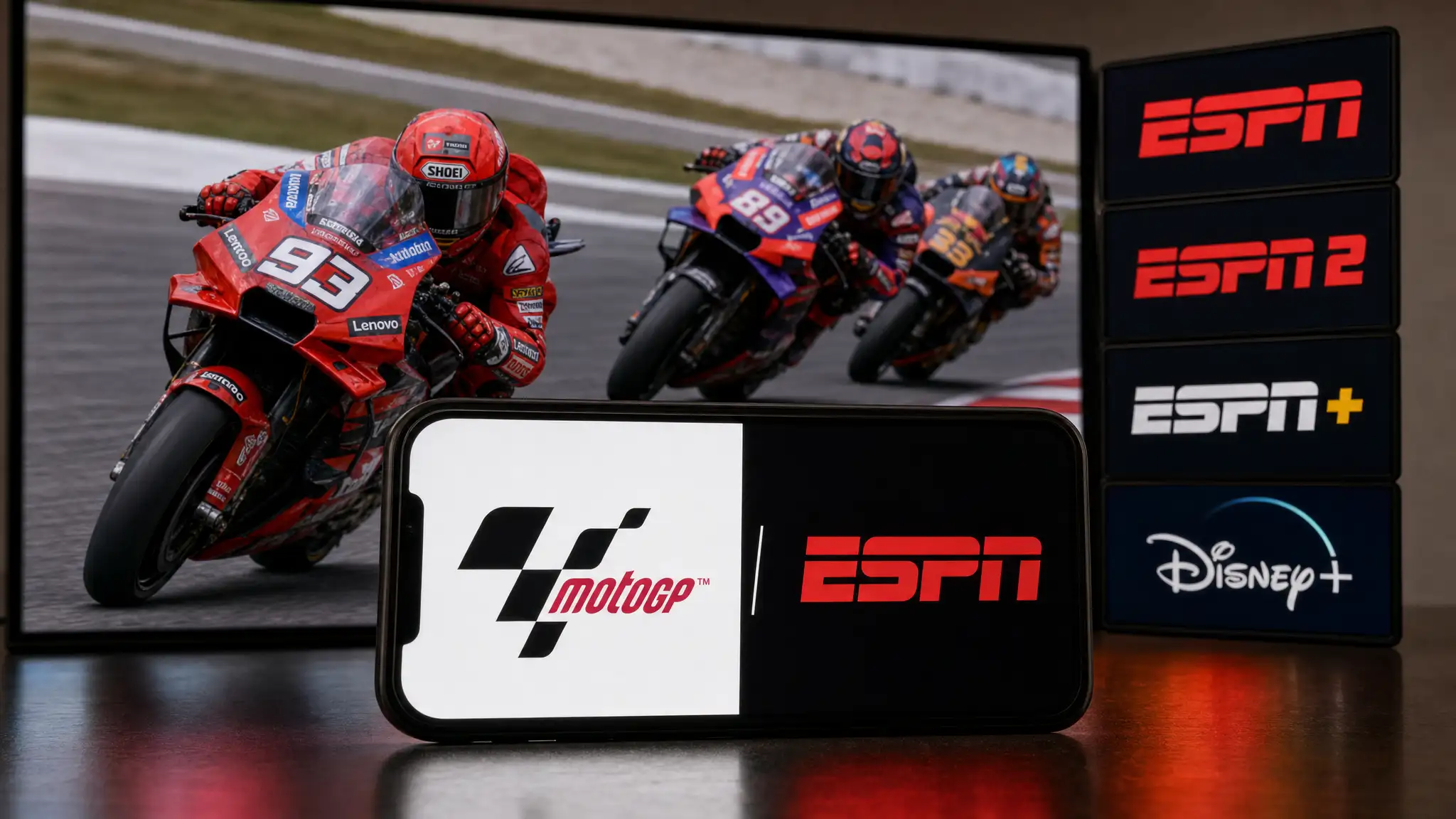
ESPN is preparing a production operation far larger than a typical “Monday Night Football” broadcast for Super Bowl LXI, illustrating how television companies are concentrating resources around major live events while building multiple programs from the same rights. The February 14, 2027 game at SoFi Stadium will use 21 production trucks, compared with six for a usual “Monday Night Football” game, according to executive producer Steve Ackles. ESPN also plans two new 8X 4K UHD cameras, a dedicated replay-release truck, enhanced graphics and 4K UHD delivery. (4rfv.com)
That infrastructure will support more than one telecast. Joe Buck and Troy Aikman will call the main production for ESPN and ABC, with Lisa Salters and Laura Rutledge reporting from the sidelines. ESPN Deportes and Univision will mount separate Spanish-language presentations. Peyton and Eli Manning’s “ManningCast,” Pat McAfee’s “Field Pass,” an analytics-focused “Playbook” feed and “Star Wars Funday Football” will extend the event across ESPN2, other ESPN networks, Disney+, Disney Channel and Disney XD. Beyond Sports will turn live game data into the animated Star Wars presentation, with Ackles saying the rendered action will follow the real game by roughly 60 seconds. These remain announced plans rather than completed deployments. (4rfv.com)
The strategy places more economic value on shared data, production infrastructure and intellectual property that can serve broadcast, cable and streaming audiences simultaneously. At ESPN’s Edge Innovation Conference, Microsoft’s Simon Crownshaw and Accenture’s Rob Aitken argued that organizing fragmented media and venue data is essential before AI agents can accelerate production and analysis. Meta executive Scott Hershkowitz separately said Meta and ESPN plan 50 immersive live events annually, with men’s college football already available on Quest. The discussion described both operating partnerships and forward-looking conference claims, not a single implemented AI production system. (4rfv.com)
Smaller daily programs are pursuing a different cost model. Fox-owned OutKick opened a Manhattan studio for “The Craig Carton Show” while Nashville supplies the distributed production operation, linking the New York set to a wider network of studios, home setups and production teams. (4rfv.com)
Location economics remain another variable. California Governor Gavin Newsom has proposed increasing the state’s annual Film and Television Tax Credit Program from $750 million to at least $1 billion, including incentives for multishow commitments and above-the-line costs. The expansion is a proposal, not enacted funding, leaving the next administration and lawmakers to determine whether California can further influence where studios place production jobs and spending. (gov.ca.gov)
Footnotes
Articles used to create this Fact Brief
- ESPN Edge Partners Chart a Future Built on Data, AI and a New Generation of FansSports Video Group
- From ManningCast to McAfee to Star Wars: ESPN, Disney Pull Back the Curtain on Super Bowl LXI PlansSports Video Group
- California Continues In Its Fight To Keep Production In-StateTVNewsCheck
- OutKick Debuts New Studio for ‘The Craig Carton Show’ In New York As Nashville Powers Distributed Production OperationTVNewsCheck
Continue reading