Ideas
IdeasTelevision distribution
A Permanent Home for Evidence-Led Industry Thinking
Streaming, FAST channels, subchannels, and ATSC 3.0 are reshaping how television—including decades-old programming—reaches audiences.
How changing television technology creates new audiences, distribution choices, and business opportunities.
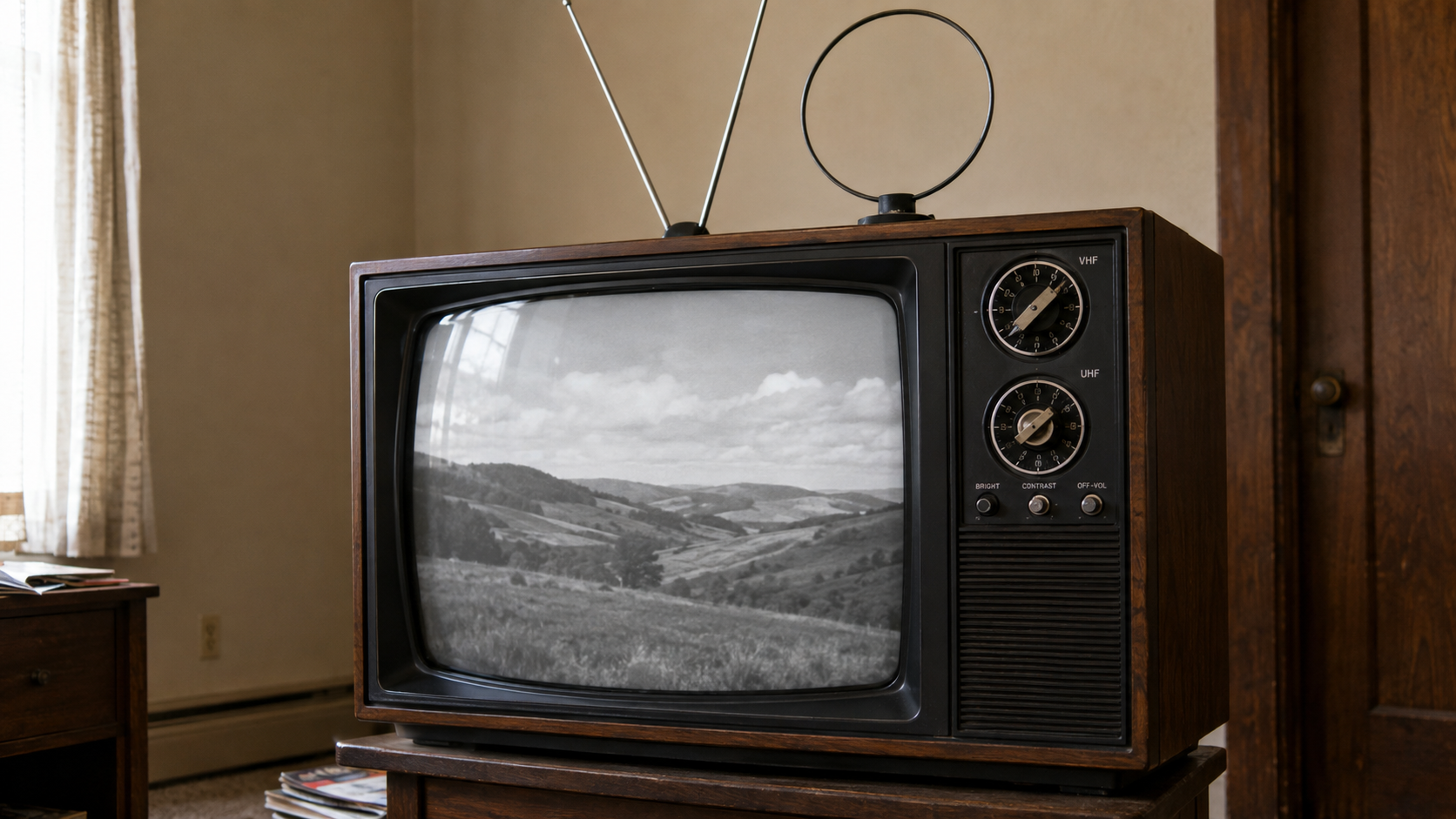
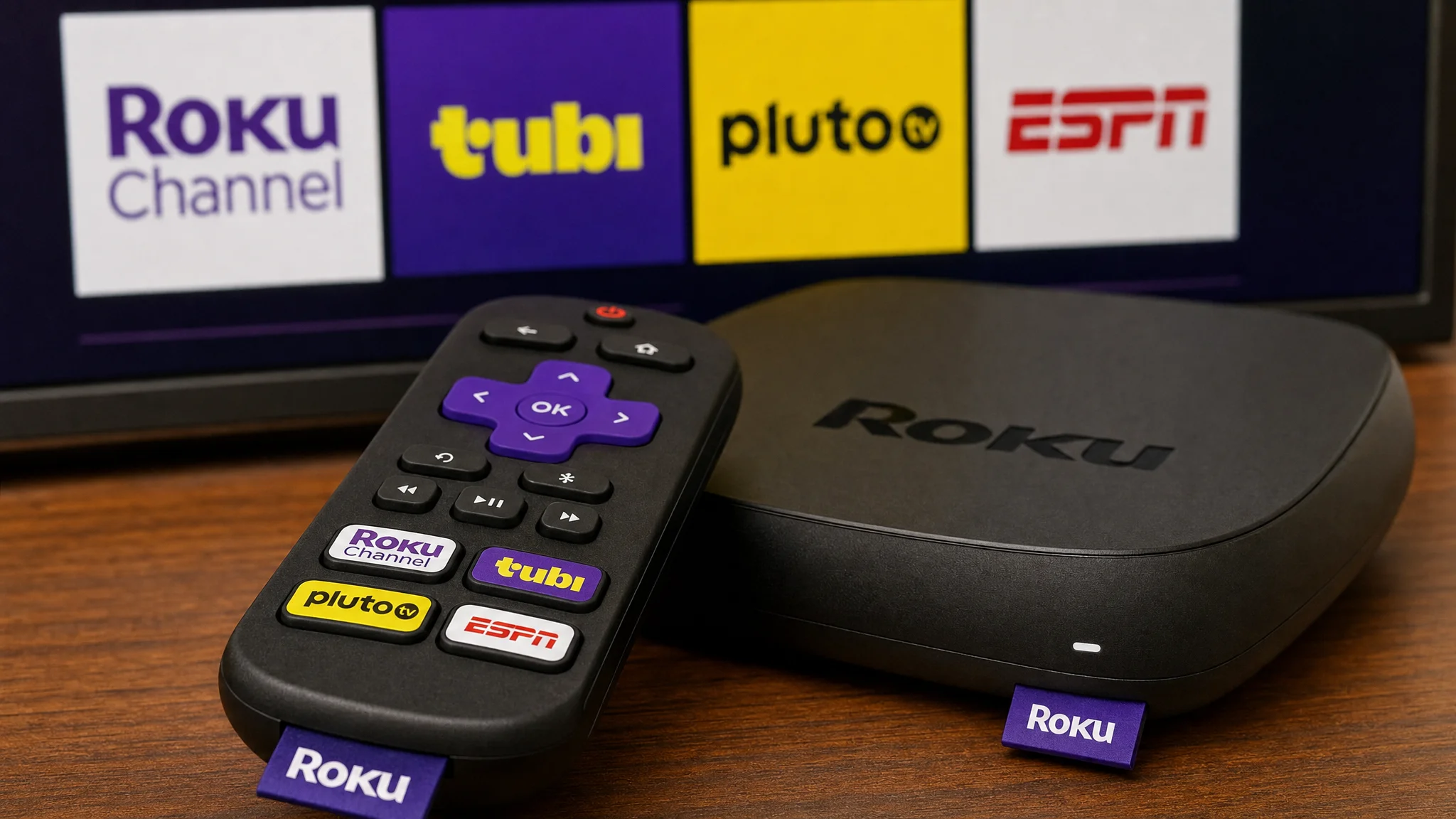
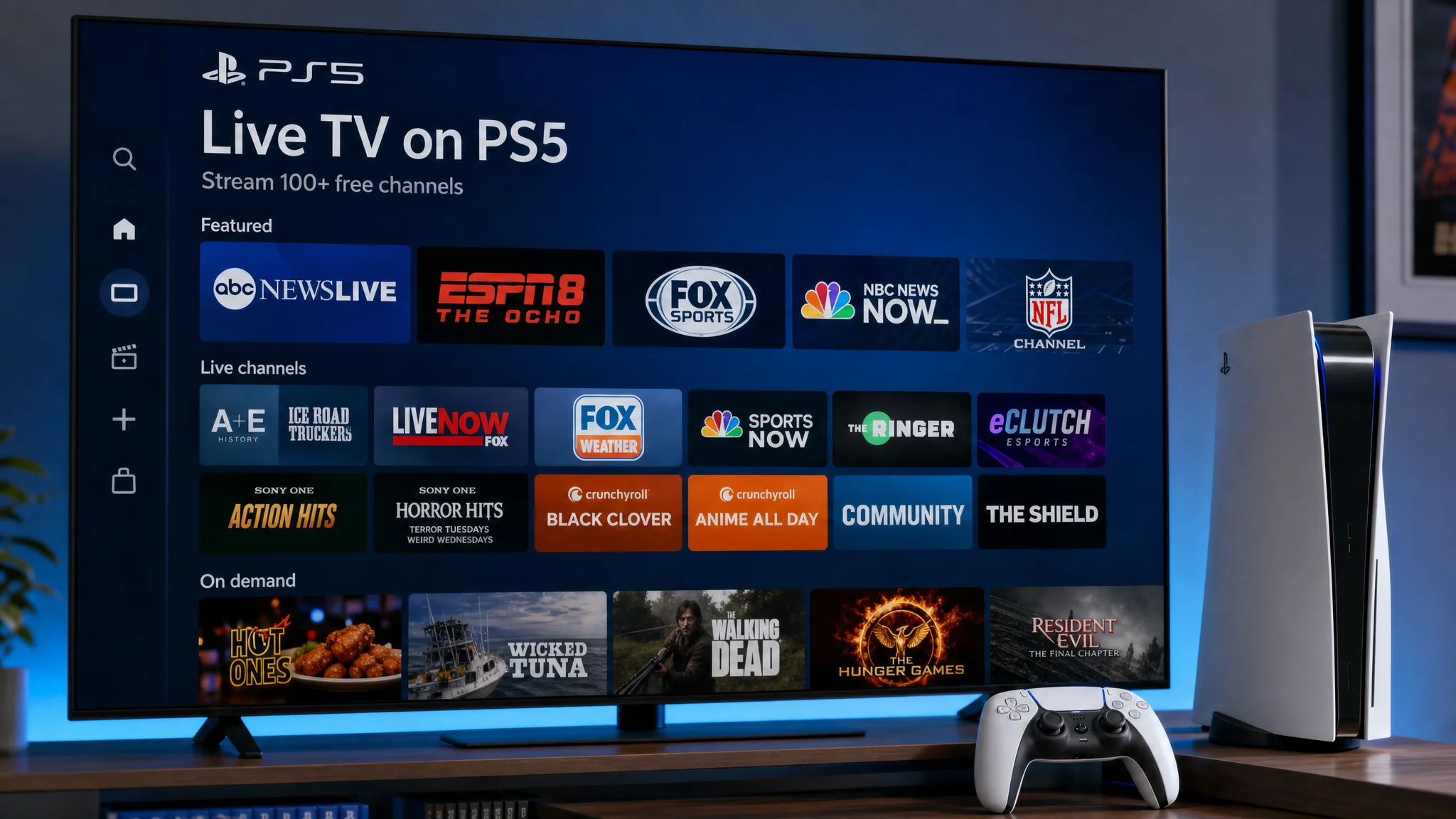
Streaming has reshaped how television is published, distributed, and discovered, giving long-tail programming—including shows from the 1970s—new homes on free, ad-supported streaming television (FAST) channels.
TV stations are also reinventing themselves through digital subchannels, ATSC 3.0, and other technologies. Ideas follows these changes to explain what they mean for the businesses that create, distribute, and monetize television content.
Footnotes
Articles used to create this Fact Brief
Foundation page—not a published Fact Brief. Publication remains blocked until the brief is 500 words or fewer and every source article with its original publication date is attached.
Continue reading