Ideas
IdeasIndustry Media
LPTV Broadcasters Association Reinforces HC2’s Push for an FCC 5G Broadcast Review
The filing keeps a proposed mobile-delivery alternative to ATSC standards before Chairman Brendan Carr’s FCC staff.
The LPTV Broadcasters Association and Frank Copsidas-backed companies are supporting HC2 Broadcasting’s FCC push to authorize 5G Broadcast voluntarily for low-power television stations.
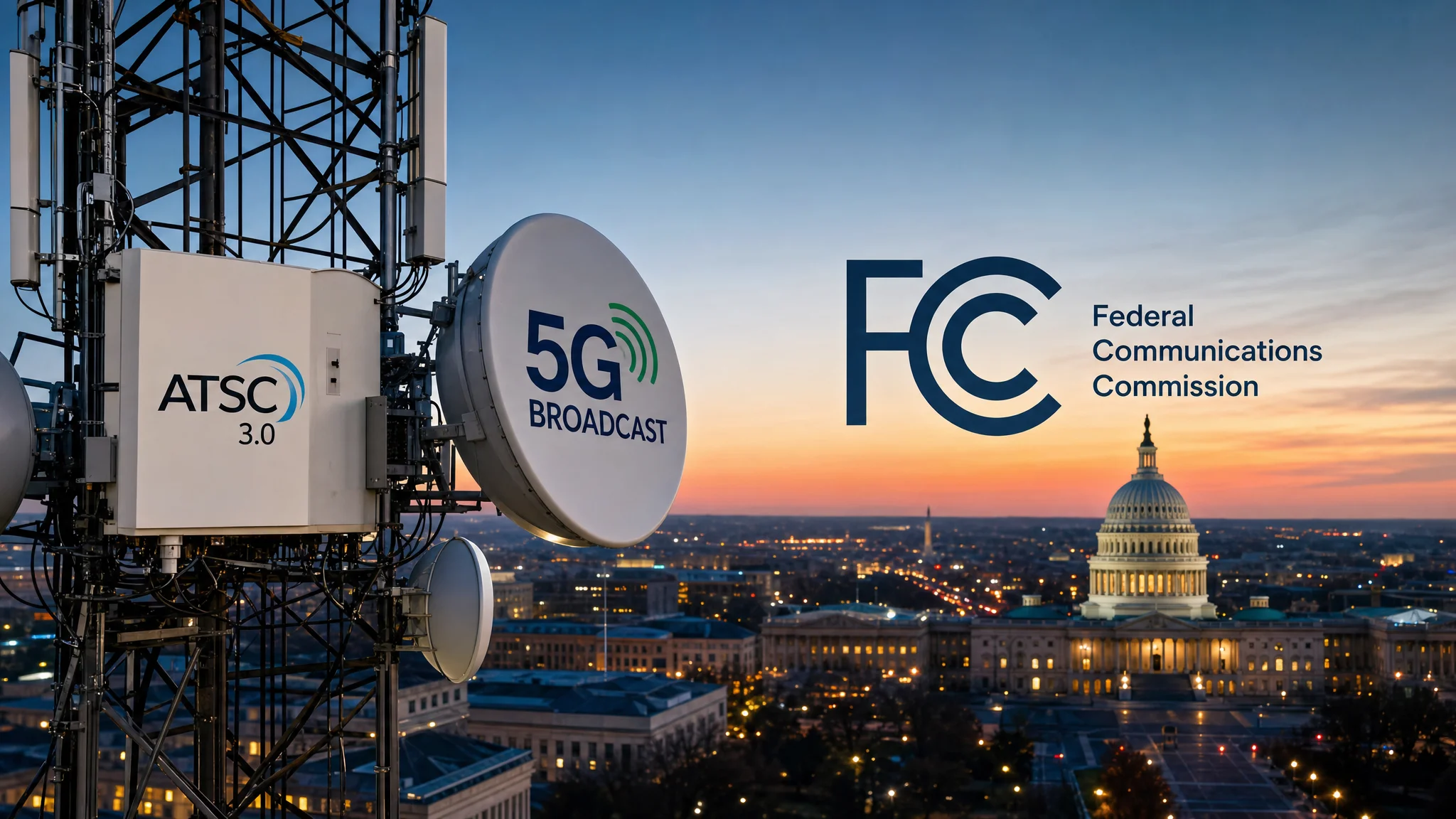
The LPTV Broadcasters Association and companies led by low-power television entrepreneur Frank Copsidas have added their support to HC2 Broadcasting’s effort to secure closer Federal Communications Commission consideration of 5G Broadcast for LPTV stations. In an ex parte filing reported August 31, the Copsidas-led parties endorsed an “expert filing” submitted by HC2 following the major LPTV licensee’s meeting with members of FCC Chairman Brendan Carr’s staff.
That meeting focused on the technical capabilities and operating realities of using 5G Broadcast at low-power television stations. The latest filing does not itself authorize the technology or establish new FCC rules. It reinforces the case already before the agency that LPTV operators should be permitted to choose 5G Broadcast as an alternative transmission standard.
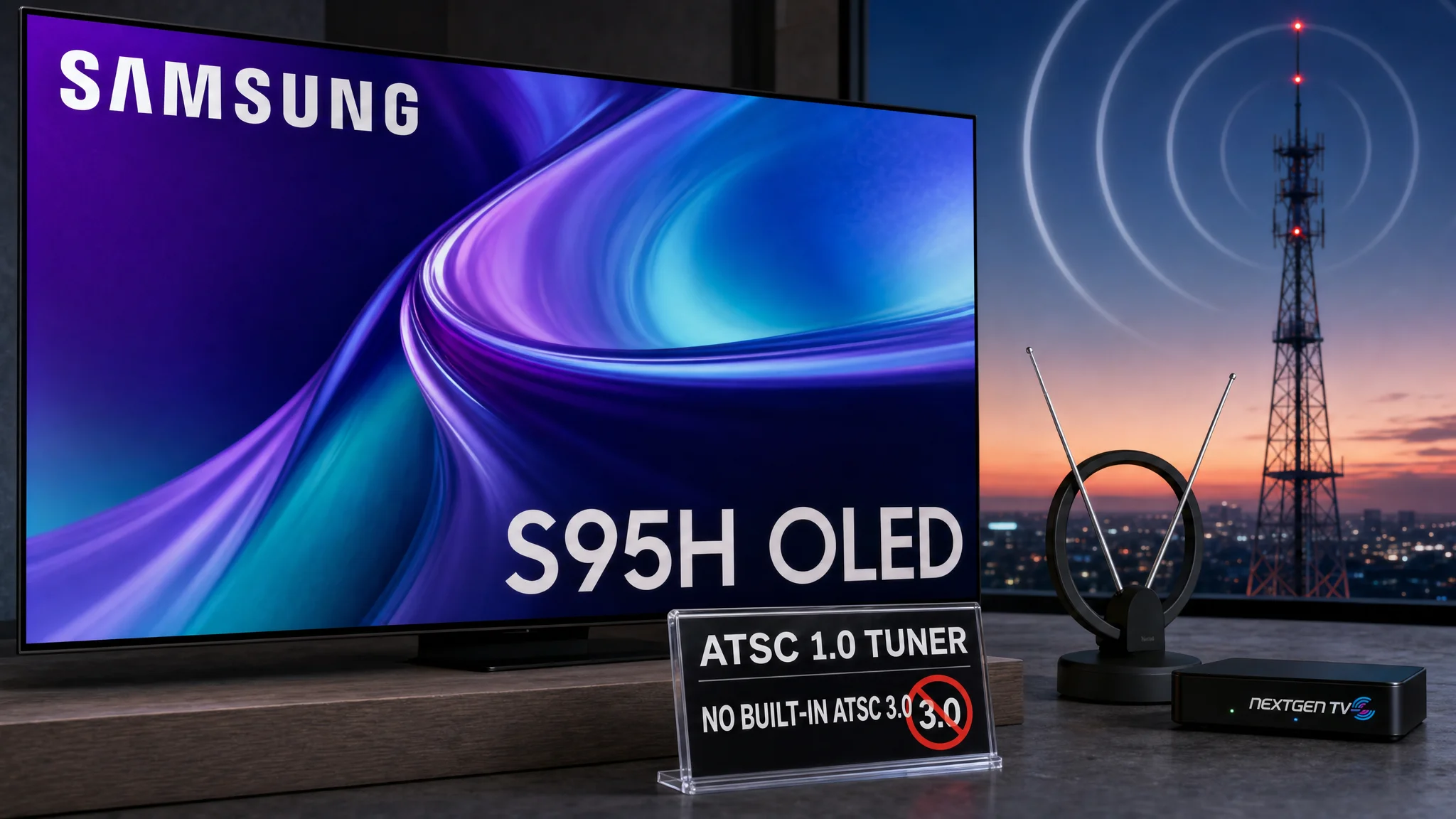
HC2 Broadcasting initiated the underlying proceeding on March 28, 2025, when it petitioned the FCC to amend its rules. The FCC Media Bureau subsequently opened MB Docket No. 25-168 and requested public comment on allowing LPTV stations to use 5G Broadcast voluntarily alongside the currently authorized ATSC 1.0 and ATSC 3.0 standards. HC2 proposed excluding any LPTV station qualifying for mandatory carriage from 5G Broadcast operations, an approach intended to limit potential burdens on multichannel video programming distributors.
The 3rd Generation Partnership Project, or 3GPP, developed the 5G Broadcast standard. Unlike conventional cellular unicast delivery, the proposed system would let a station transmit one signal that compatible mobile devices throughout its coverage area could receive. Advocates including Copsidas have argued that this could extend LPTV distribution beyond conventional television sets to compatible smartphones and tablets, supporting linear programming, live events, emergency information and datacasting.
For LPTV licensees, the proceeding is therefore about more than selecting transmission equipment. FCC recognition could influence which devices can receive their programming, what services stations can distribute and whether low-power spectrum can support new mobile-oriented business models. For the broader television market, ConsumerEXP analysis is that the docket tests whether the FCC will let LPTV operators pursue a separate direct-to-mobile path while the full-power broadcast industry continues deploying ATSC 3.0. The Copsidas-backed filing matters now because it keeps HC2’s proposal active at the chairman’s office, but the FCC must still decide whether to advance, modify or reject the requested rules.
Footnotes
Articles used to create this Fact Brief
- LPTV Association Backs HC2 Effort To Get FCC ‘5G’ LookRadio + Television Business Report
Continue reading