Ideas
IdeasIndustry Media
Paramount-Warner Bros. Settlement Protects Pluto TV and Locks In Theatrical Releases
The proposed five-year consent decree also separates cable carriage talks and imposes costly penalties for missed films.
Paramount’s proposed Warner Bros. Discovery settlement would protect Pluto TV for five years, separate cable carriage talks and enforce annual theatrical-release targets with $30 million penalties.
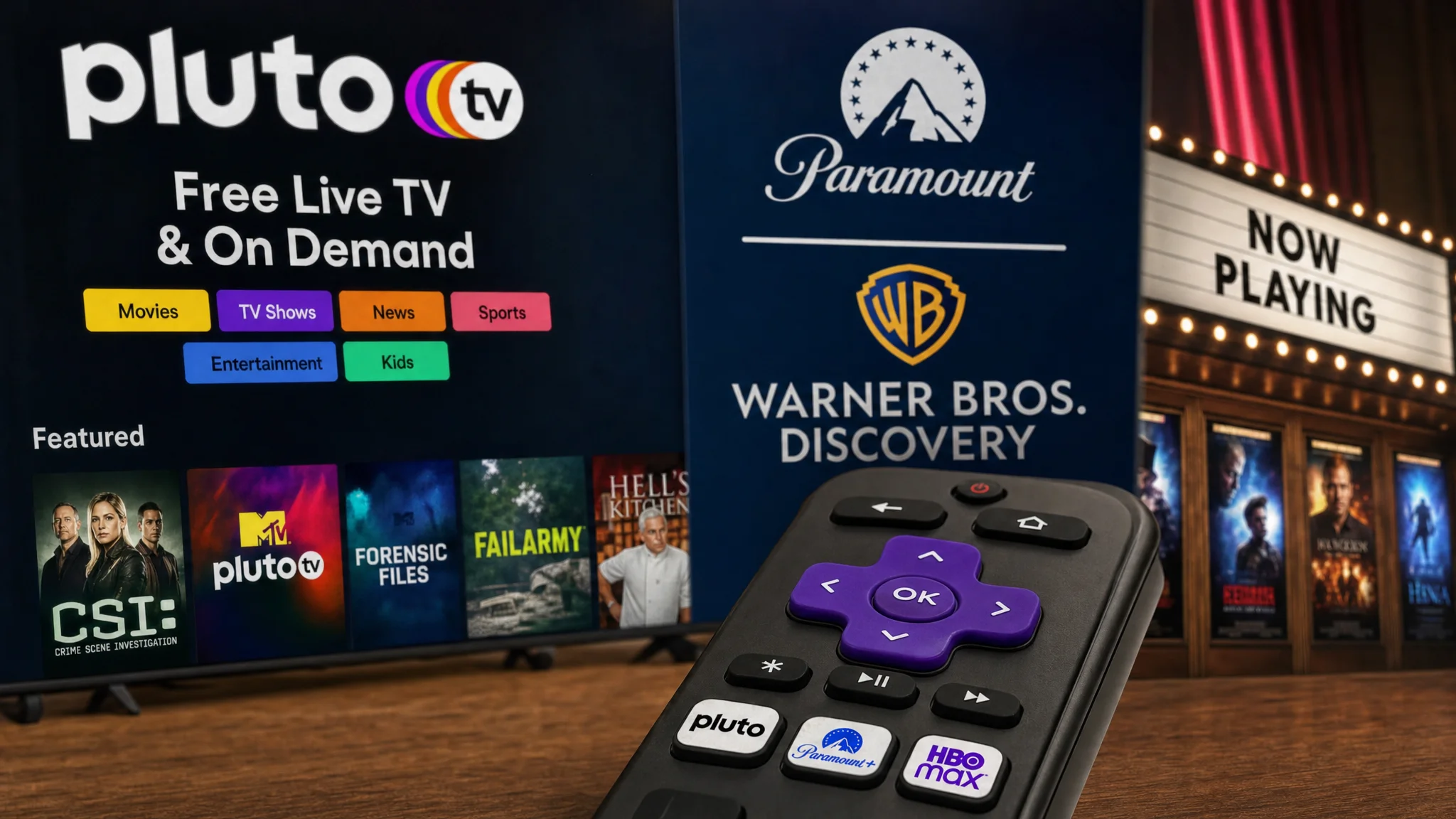
Paramount Skydance’s proposed settlement with a coalition of 12 state attorneys general would place five-year operating conditions on its planned acquisition of Warner Bros. Discovery, including protections for Pluto TV and enforceable theatrical-release requirements. The consent decree still requires court approval, but the agreement removes a major antitrust challenge to the transaction. (tvtechnology.com)
For streaming viewers, advertisers and connected-TV distributors, the settlement requires the combined company to continue offering a free streaming service such as Pluto TV throughout the five-year term. Paramount must maintain the service’s current quality, preventing the company from simply retaining a nominal free product while substantially diminishing it. Pluto TV is Paramount’s free, ad-supported streaming television service, making the provision a direct safeguard for its FAST distribution and advertising business. (tvnewscheck.com)
The decree also constrains how Paramount handles traditional television distribution. The merged company must negotiate carriage for existing Paramount basic-cable networks separately from Warner Bros. Discovery basic-cable networks for five years. The attorneys general said preserving separate negotiations would maintain some of the competition that currently exists between the two programmers and could limit their combined leverage over cable, satellite and other multichannel distributors. (tvtechnology.com)
Paramount would also be obligated to release 30 films annually during the first two years and 32 annually in years three through five. Those totals include minimum numbers of wide releases and at least four independent films each year. Qualifying wide releases must receive at least 45 days of theatrical exclusivity and cannot reach subscription streaming services, including Paramount+ or HBO Max, until at least 90 days after their theatrical premieres. (tvtechnology.com)
Failure carries unusually specific consequences: Paramount must pay $30 million for every film below the annual threshold and would be required to divest Miramax Studios. Payments would support health and retirement funds connected to the Writers Guild of America, International Alliance of Theatrical Stage Employees, Directors Guild of America, International Brotherhood of Teamsters and other beneficiaries, including antitrust enforcement. (atg.wa.gov)
ConsumerEXP analysis: The settlement links approval of a major media consolidation to continued free streaming access, limits on cable-programming leverage and a guaranteed theatrical pipeline—conditions that directly affect advertisers, distributors, exhibitors, programmers and streaming release strategies.
Footnotes
Articles used to create this Fact Brief
- Pluto TV to Remain for at Least Five Years Following WBD MergerMedia Play News
- Paramount Post-Merger Faces $30 Million Penalty for Each Title Below Annual 30-Theatrical-Release ThresholdMedia Play News
- Free Streamer Pluto TV Gets A Lifeline In Paramount-WB Consent DecreeTVNewsCheck
- Paramount Settles Antitrust Lawsuit over WBD MergerTV Technology
Continue reading