Ideas
IdeasIndustry Media
TV’s Next Three Years: Fewer Cable Homes, Smarter Streams and Live Sports
Media executives expect cord-cutting to continue as personalization, FAST platforms, aggregation and sports reshape television distribution.
Media executives surveyed by CNBC expect cable subscriptions to keep falling through 2029 while streaming bundles, FAST services, personalized advertising and live sports gain importance across television distribution.
CNBC’s 2026 Future of TV survey, republished by TVNewsCheck on August 17, points toward a 2029 television market with fewer traditional cable subscribers, more personalized streaming experiences and sustained demand for live sports. The survey revisited CNBC’s 2023 exercise and put the same five questions to 10 media executives as mergers, spinouts and distribution partnerships accelerate the industry’s restructuring.
Charter Communications President and CEO Chris Winfrey predicted cable subscriptions would decline dramatically as broadcast and cable programming becomes available through apps and larger streaming bundles. He suggested Netflix could ultimately function like a major cable programmer within an aggregated package. Jeff Zucker, CEO of RedBird IMI and former leader of NBCUniversal and WarnerMedia News and Sports, likewise saw no near-term subscriber floor, although he said sports rights may remain on cable for at least another decade. Rashida Jones, CEO of Uncensored and former MSNBC president, agreed that consumers continue moving away from linear television but cautioned that industry forecasts have repeatedly overstated the transition’s speed.
The executives also described changes to the viewing and advertising experience. ESPN Chairman Jimmy Pitaro forecast ubiquitous personalization, with networks tailoring programming and promotions to individual users, alongside commerce links inside content. Tubi CEO Anjali Sud said television advertising could become substantially more relevant and personalized. FX Content and Studios Chairman John Landgraf expects more major programs to receive simultaneous global releases, while Starz President and CEO Jeffrey Hirsch predicted AI-enabled language options that let viewers watch programming in their native language.
Live sports remained the clearest point of confidence. Pitaro said improved measurement, including streaming and out-of-home viewing, is producing more accurate ratings. Nielsen Senior Vice President Brian Fuhrer said expanded out-of-home measurement has contributed to sports increases, though he did not expect the same large methodological lift every year. Zucker and Roku Media President Charlie Collier argued that live sports will retain premium value because they create mass, communal viewing that fragmented on-demand programming cannot easily reproduce.
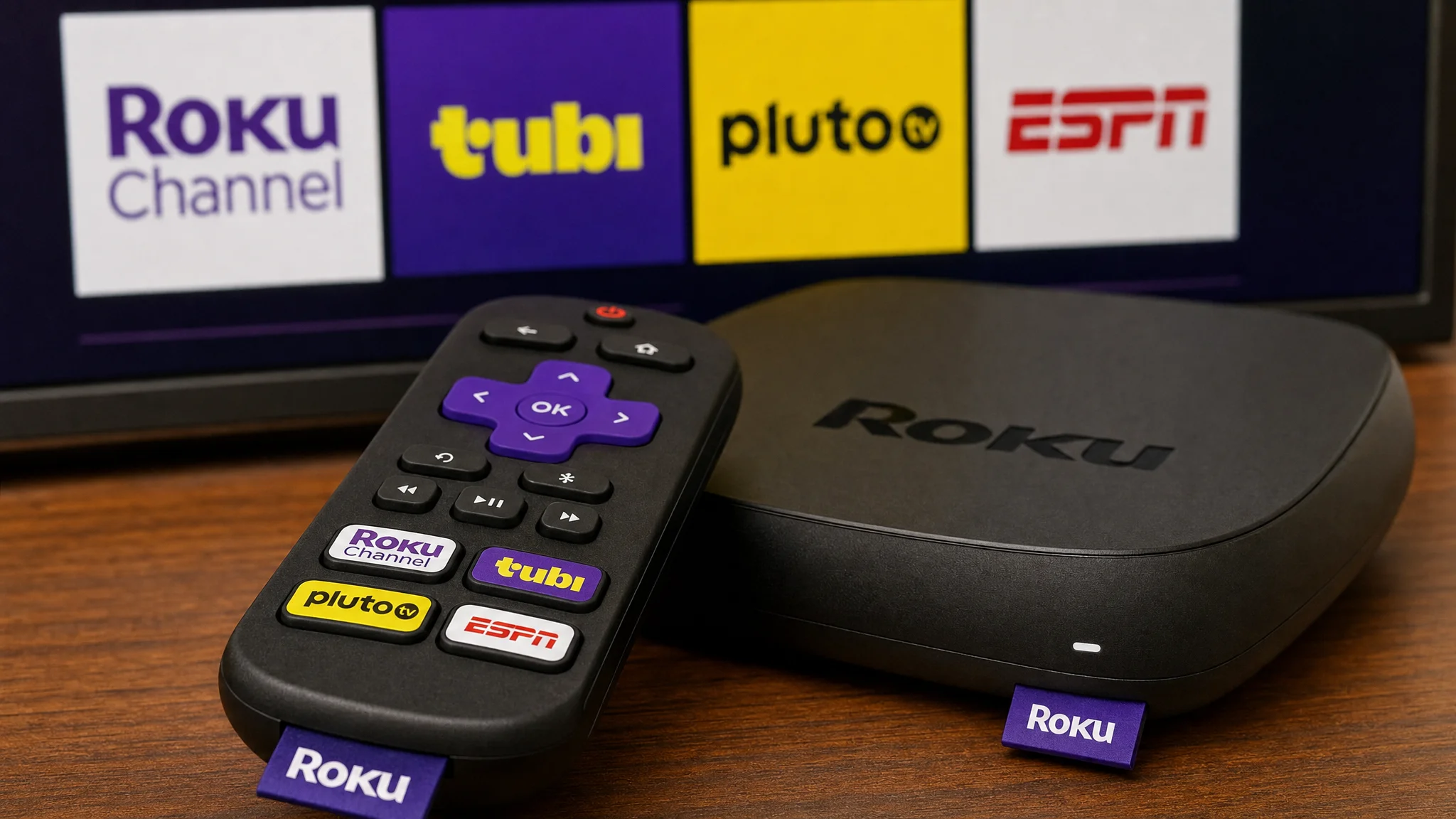
For distribution, Fuhrer identified The Roku Channel, Tubi and Pluto TV as FAST services positioned for continued adoption. Winfrey saw an opening for a discounted streaming aggregator, while Pitaro highlighted Epic Games as a potential bridge among gaming, entertainment and live sports.
ConsumerEXP analysis: The forecast suggests television’s next phase will not eliminate bundles; it will rebuild them around streaming interfaces, audience data, personalized advertising and indispensable live programming.
Footnotes
Articles used to create this Fact Brief
- What Will TV Look Like In Three Years?TVNewsCheck
Continue reading