Ideas
IdeasIndustry Media
Streaming Drives Upfront TV Sales to $33.7 Billion as CPMs Decline
Media Dynamics estimates streaming gains outweighed shrinking broadcast and cable commitments for the 2026–27 television season.
Streaming drove a 9% increase in 2026–27 television upfront commitments to $33.7 billion, according to Media Dynamics, while CPMs declined across streaming, broadcast and cable.
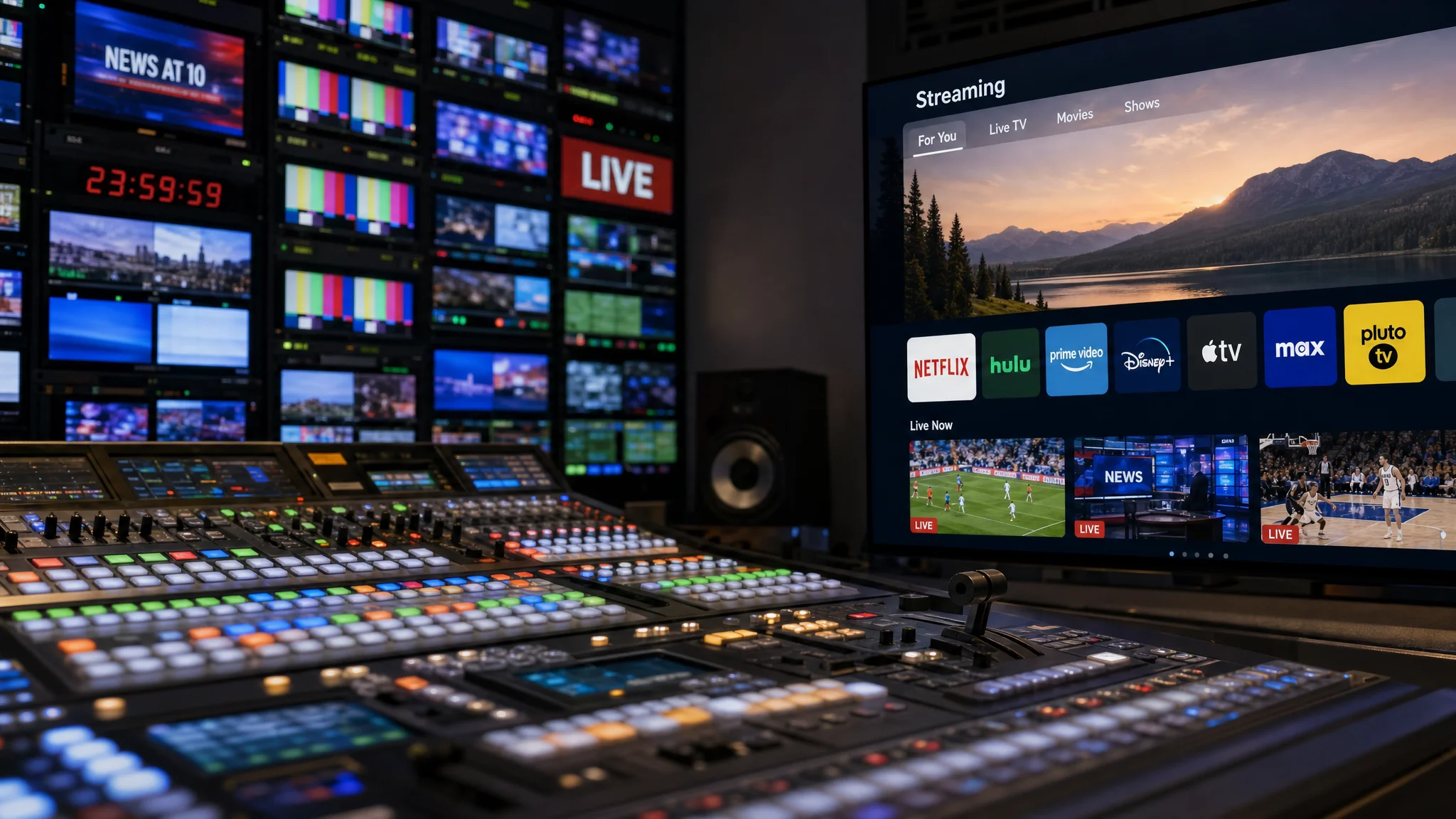
Total television upfront advertising commitments for the 2026–27 season increased 9% to an estimated $33.7 billion, even as the average price advertisers paid per thousand viewers declined across broadcast, cable and streaming. Media Dynamics attributed the higher overall spending primarily to a sharp expansion in streaming deals, signaling that advertisers are moving more of their advance television budgets toward connected viewing without surrendering pressure on pricing. (tvnewscheck.com)
Streaming upfront sales climbed 30% from the previous year to $17.2 billion, according to Media Dynamics. That made streaming the largest of the three reported categories and more than offset contractions in traditional television. Cable network commitments fell 7% to $8 billion, while broadcast television network sales declined 5% to $8.6 billion. Ed Papazian, president of Media Dynamics, said the movement from linear television to streaming has accelerated, with cable sustaining the greatest damage partly because it has a smaller sports presence than broadcast television. (mediapost.com)
Pricing moved in advertisers’ favor despite the increase in total commitments. Media Dynamics estimated that broadcast network CPMs—the cost of reaching 1,000 viewers—decreased 4% to $41.65 from $43.50. Cable CPMs dropped 8.5% to $17.70 from $19.35, while streaming CPMs declined 5% to $25.90 from $27.75. Papazian said buyers were negotiating aggressively across every category. In streaming, free ad-supported streaming television services, or FASTs, gave buyers a lower-priced alternative to premium sellers such as Netflix. The result was a marketplace in which more money moved into streaming while advertisers paid less for each viewer reached. (mediapost.com)
The upfront market is consequential because major advertisers typically reserve 60% to 70% of their television and streaming inventory needs during summer negotiations before the fall season. ConsumerEXP analysis: The estimates identify a new competitive fault line in television monetization. Streaming is no longer merely taking audience and revenue from linear channels; its expanding supply and the presence of lower-cost FAST inventory are also placing downward pricing pressure on premium streaming platforms. Broadcast networks retain the highest reported CPMs, but both broadcast and cable now face declining advance commitments as advertisers direct incremental spending toward streaming distribution. (mediapost.com)
Footnotes
Articles used to create this Fact Brief
Continue reading