Ideas
IdeasHome Shopping and DRTV
Pinterest Extends Its Shopping Intent Data to Performance TV
tvScientific links Pinterest audience signals, connected-TV exposure and purchase measurement in a broader full-funnel advertising system.
Pinterest is using tvScientific to connect its shopping-intent signals with measurable connected-TV advertising, cross-screen attribution and AI optimization from inspiration through purchase.
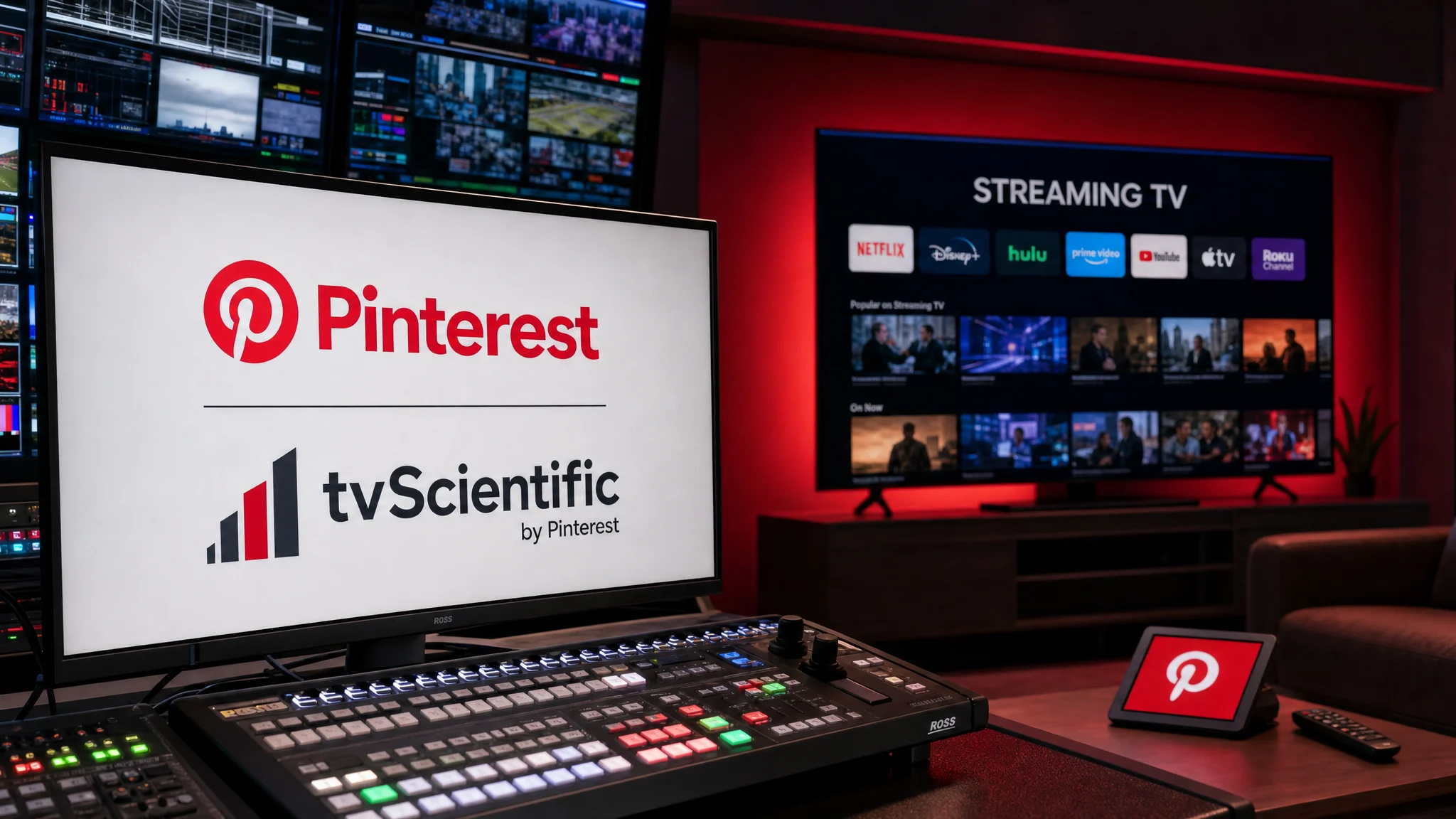
Pinterest is positioning performance television as a central part of its effort to improve advertising monetization, connecting the inspiration and shopping intent generated on Pinterest with measurable connected-TV campaigns. In an August 25 analysis, Jason Fairchild, co-founder and CEO of tvScientific by Pinterest, said the combined operation is building a system intended to follow consumers from idea formation through consideration, television exposure and purchase. (tvscientific.com)
Fairchild tied that work to Pinterest CEO Bill Ready’s stated priority of accelerating monetization through stronger go-to-market and measurement capabilities. The strategy extends Pinterest beyond ads viewed inside its own service: brands can use Pinterest’s commercial-intent signals to reach relevant audiences through streaming television, while tvScientific’s platform measures what viewers do after seeing an ad. Pinterest completed its acquisition of tvScientific in February 2026 and introduced Pinterest Audiences for connected TV under the tvScientific by Pinterest name in April. (tvscientific.com)
The measurement component is material because a TV commercial may prompt a viewer to search for a brand, visit its website, return through another channel or purchase later. Conventional last-click attribution may credit only that final interaction. Fairchild said halo analysis and incrementality measurement can instead examine whether television exposure increased search traffic, improved conversion among exposed audiences or produced outcomes that would not otherwise have occurred. That gives advertisers evidence they can use to defend spending and decide whether to scale a campaign. (tvscientific.com)
tvScientific by Pinterest also plans to feed audience signals, media-delivery data, creative results, halo effects and incrementality findings into AI and machine-learning systems. Those systems are designed to identify responsive audiences, effective messages and productive media environments, including through advertiser-specific and product-specific algorithms. Direct sales, programmatic buying, affiliate advertising and Performance TV could ultimately serve as connected entry points into the same advertising structure. (tvscientific.com)
For video-commerce and direct-response marketers, the significance is Pinterest’s attempt to make television accountable to purchase-oriented performance metrics rather than treating CTV primarily as an awareness channel. ConsumerEXP analysis: if the integration works as described, merchants could use Pinterest intent data for audience discovery, television for high-attention reach and cross-screen attribution for campaign optimization—bringing streaming TV closer to the measurable sales discipline long associated with direct-response advertising.
Footnotes
Articles used to create this Fact Brief
Continue reading