Ideas
Home Shopping and DRTV
Vera Bradley, TikTok Shop and Musely Show What Social-Commerce Growth Requires Beyond GMV
Assortment, returns and attribution are emerging as operating levers, but the evidence behind each growth claim varies.
Vera Bradley’s TikTok Shop sales, new return options from TikTok Shop and DoorDash, and Musely’s sponsored affiliate case study show why assortment, service costs and attribution matter alongside gross sales.
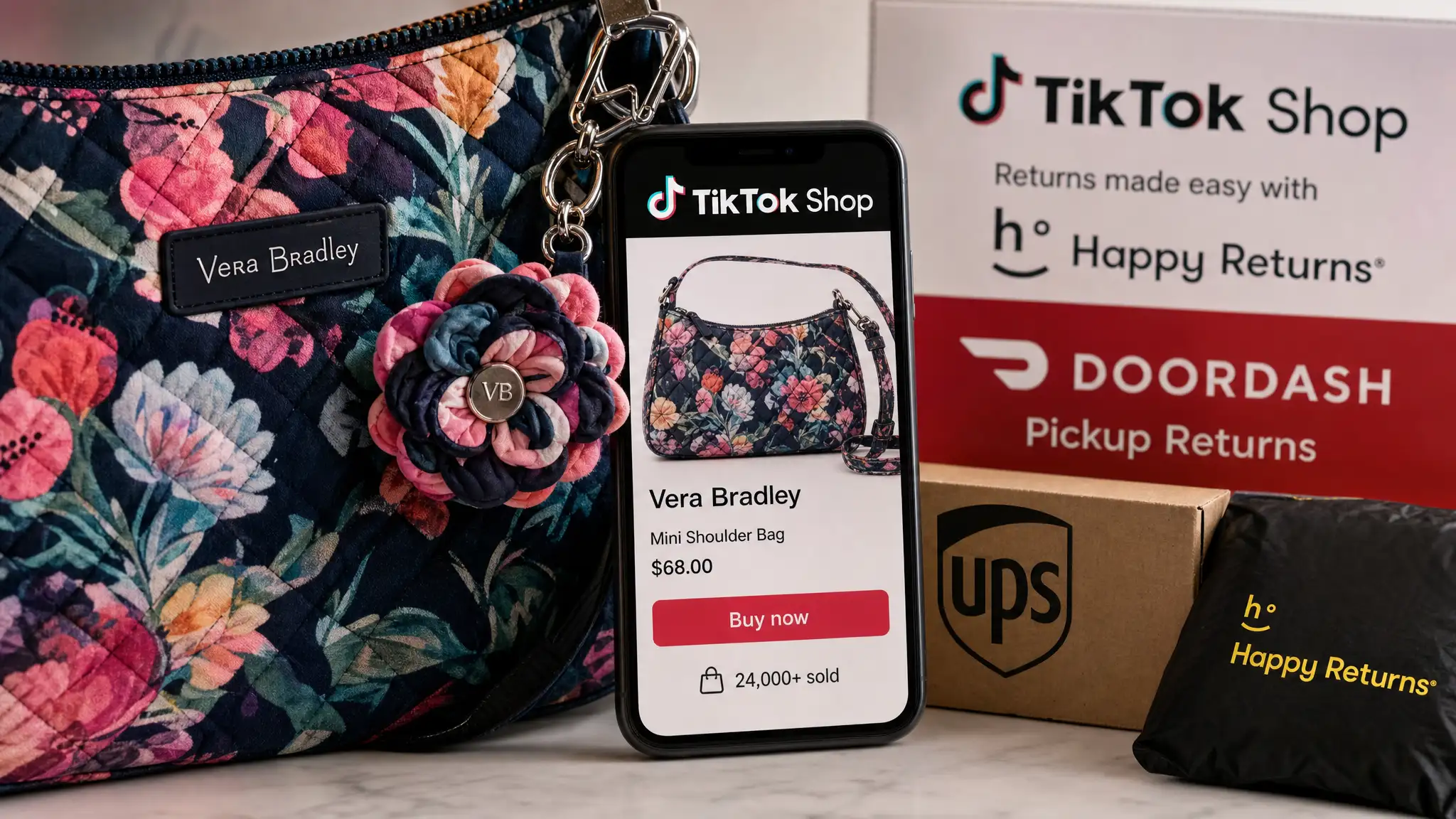
Vera Bradley’s latest turnaround provides the clearest evidence that social-commerce growth depends on more than adding a storefront to a popular platform. Under Project Sunshine, the accessories company paired a return to colorful prints and quilted cotton with smaller shoulder bags, bag charms, creator briefs and channel-specific merchandising. By October 26, Vera Bradley had sold more than 24,000 units through TikTok Shop, according to chief brand officer Melinda Paraie. The company also reported second-quarter revenue of $71.6 million, up 1.1% year over year, marking its second consecutive quarter of growth. (modernretail.co)
Those gains followed the unsuccessful Project Restoration strategy, which emphasized solids, leather, a new logo and redesigned stores. CEO Ian Bickley said Vera Bradley had lost sight of what made the brand distinctive. Project Sunshine instead restored recognizable colors and patterns while adding velvet, corduroy, ruffles and other updates intended to reach younger shoppers. The operating shift extends beyond merchandise: Vera Bradley is supplying creators with more focused briefs, encouraging user-generated content and deciding which bags fit TikTok, Instagram, company stores, outlets and retail partners such as Nordstrom. Its earlier first-quarter results also showed why headline sales are insufficient: revenue rose 7.8%, while inventory declined 26% and the continuing-operations loss narrowed substantially but remained $4.8 million. (modernretail.co)
TikTok Shop and DoorDash are addressing another operating constraint: returns. TikTok Shop integrated UPS-owned Happy Returns, allowing participating sellers’ customers to make box-free, label-free returns at roughly 10,000 U.S. locations. DoorDash separately introduced pickup returns for $7.99, with drivers available in as little as 30 minutes; Modern Retail reported that the initially limited service was expected to expand nationwide in November 2026. Neither report disclosed seller economics, adoption or resulting conversion, leaving the cost and sales impact unresolved. (modernretail.co)
Musely offers a third case, but with weaker independent evidence. In a sponsored Glossy article produced by PartnerCentric, the prescription-skincare brand and agency reported more than 1,200% affiliate-revenue growth, monthly revenue rising from five to seven figures and a 14-times return on ad spend from one card-linked offer. PartnerCentric attributed the result to education-focused publishers, creator content, card-linked offers and measurement beyond last-click attribution. However, the article did not disclose the measurement period, exact baseline, costs or profitability. (glossy.co)
ConsumerEXP analysis: Together, the cases identify three separate operating disciplines—channel-fit assortment, manageable post-purchase service and credible cross-channel attribution. They do not establish that any single tactic caused growth, and operators should demand contribution-margin, return-rate and incrementality data before treating gross sales or agency case studies as proof of durable performance.
Footnotes
Articles used to create this Fact Brief
Continue reading