Ideas
Home Shopping and DRTV
Why Text-First Customers May Respond Differently to Calls
DMNews argues that communication-channel preferences can reflect emotional workload, challenging marketers to interpret missed calls more carefully.
DMNews examines why some adults prefer texting to phone calls and why direct-response marketers should avoid equating missed calls with weak customer intent.
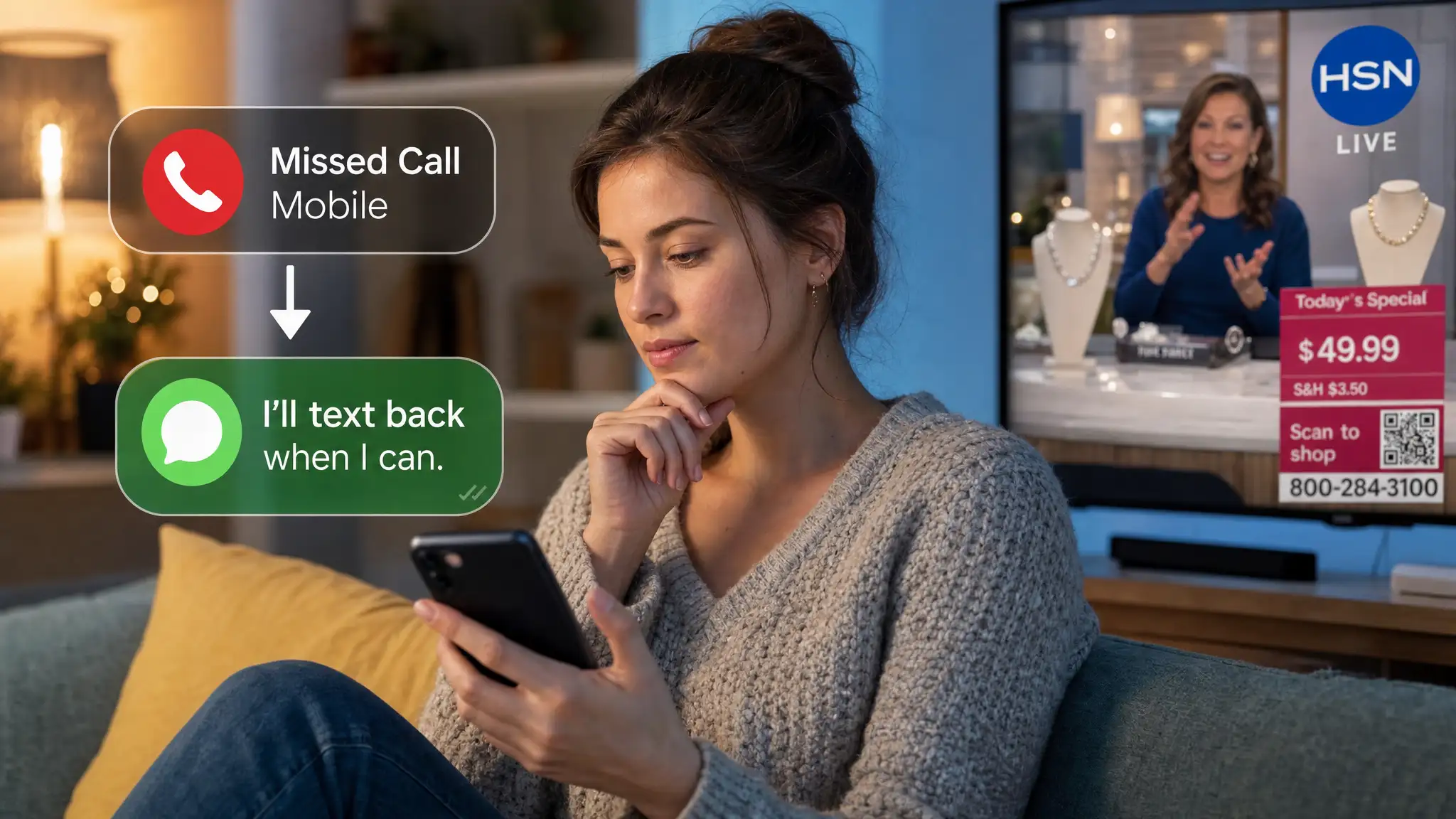
A September 21 DMNews report challenges a common interpretation of people who prefer texting to phone calls: allowing a call to go unanswered does not, by itself, establish avoidance, emotional distance or lack of interest. Some people use text to delay difficult conversations, but others use the interval to consider what was said and produce a more deliberate response. (dmnews.com)
DMNews supported that distinction with research and expert commentary while acknowledging the limits of the evidence. A 2014 study by psychologist Shanhong Luo examined 395 university students in romantic relationships. The proportion of communication conducted by text was associated with attachment dimensions and lower relationship satisfaction, while the number of messages sent had little association with attachment or satisfaction. DMNews cautioned that this predominantly white university sample could not explain every adult’s channel preference.
The report also cited a 2023 paper published by the Association for Computational Linguistics. That research found that prosodic information—the meaning conveyed through vocal characteristics—could not be predicted fully from written text. A call consequently presents information through pitch, loudness, rhythm, tempo and hesitation in addition to spoken words.
Psychotherapist Julia Samuel, writing in The Guardian on September 13, described how children absorb a home’s emotional atmosphere and may learn to scan for danger in unpredictable surroundings. DMNews explicitly identified its connection between that childhood experience and an adult preference for texting as an editorial inference, not a proven causal relationship. Its argument is that some adults may find calls demanding because they learned to monitor vocal changes closely, whereas text removes that layer and permits rereading and delayed response.
The report did not characterize texting as inherently healthier. Messages can obscure tone, extend misunderstandings or enable someone to postpone necessary engagement. Communication preferences can also reflect work demands, convenience, hearing differences, personality, habit, generational norms or the relationship involved.
For home-shopping networks, direct-response marketers and call centers, ConsumerEXP analysis is that a missed call or text-first response should not automatically be classified as weak intent. Follow-up systems may benefit from offering SMS, scheduled callbacks and other asynchronous options alongside toll-free numbers. The DMNews report provides no campaign results or conversion measurements, so any sales advantage remains unproven. Its practical implication is narrower: channel preference and purchase interest are different variables, and response measurement should avoid treating immediate willingness to speak as the sole indicator of engagement.
Footnotes
Articles used to create this Fact Brief
Continue reading