Ideas
Home Shopping and DRTV
YouTube Shopping’s Sales Layer Depends on Creator Incentives—and Accurate Google Product Feeds
New affiliate tools expose performance, but stale prices, inventory or images can still undermine the path to purchase.
YouTube is expanding affiliate incentives and shopping analytics, while shoppable ads remain dependent on Google Merchant Center feeds for current prices, imagery and inventory.
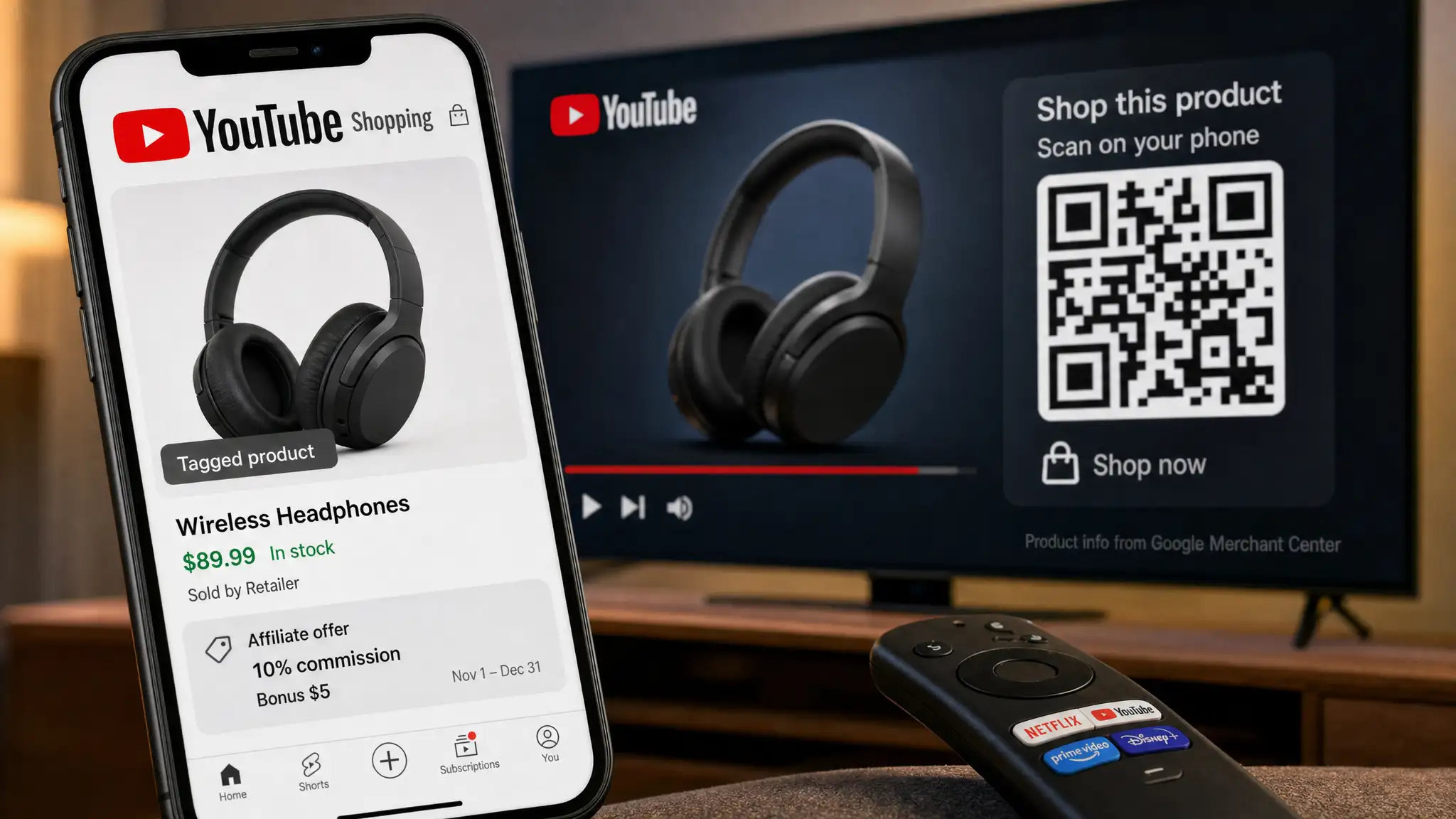
YouTube is giving creators and merchants more tools to promote products and measure results, but its shopping system still depends on an operational layer viewers rarely see: accurate affiliate terms, product tags and Google Merchant Center data.
In October, YouTube Creator Liaison Rene Ritchie detailed affiliate campaigns that let eligible creators find offers in YouTube Studio’s Shopping Hub. Campaign pages show participating products, bonus amounts, commission rates and active dates. To qualify for certain bonuses, a creator must publish the required Short or long-form video, tag an eligible product, disclose paid promotion and keep the content public for at least 30 consecutive days. YouTube’s official documentation says these affiliate campaigns are available in the United States and South Korea; broader availability was not announced. (socialmediatoday.com)
YouTube also began rolling out revised shopping analytics showing content-driven sales, product clicks and impressions, plus seller-level breakdowns in advanced analytics. Those measurements can help creators identify which videos, products and merchants generate commercial activity. However, YouTube did not disclose a universal completion date for the analytics rollout or publish measured results demonstrating that the new displays increase sales. (socialmediatoday.com)
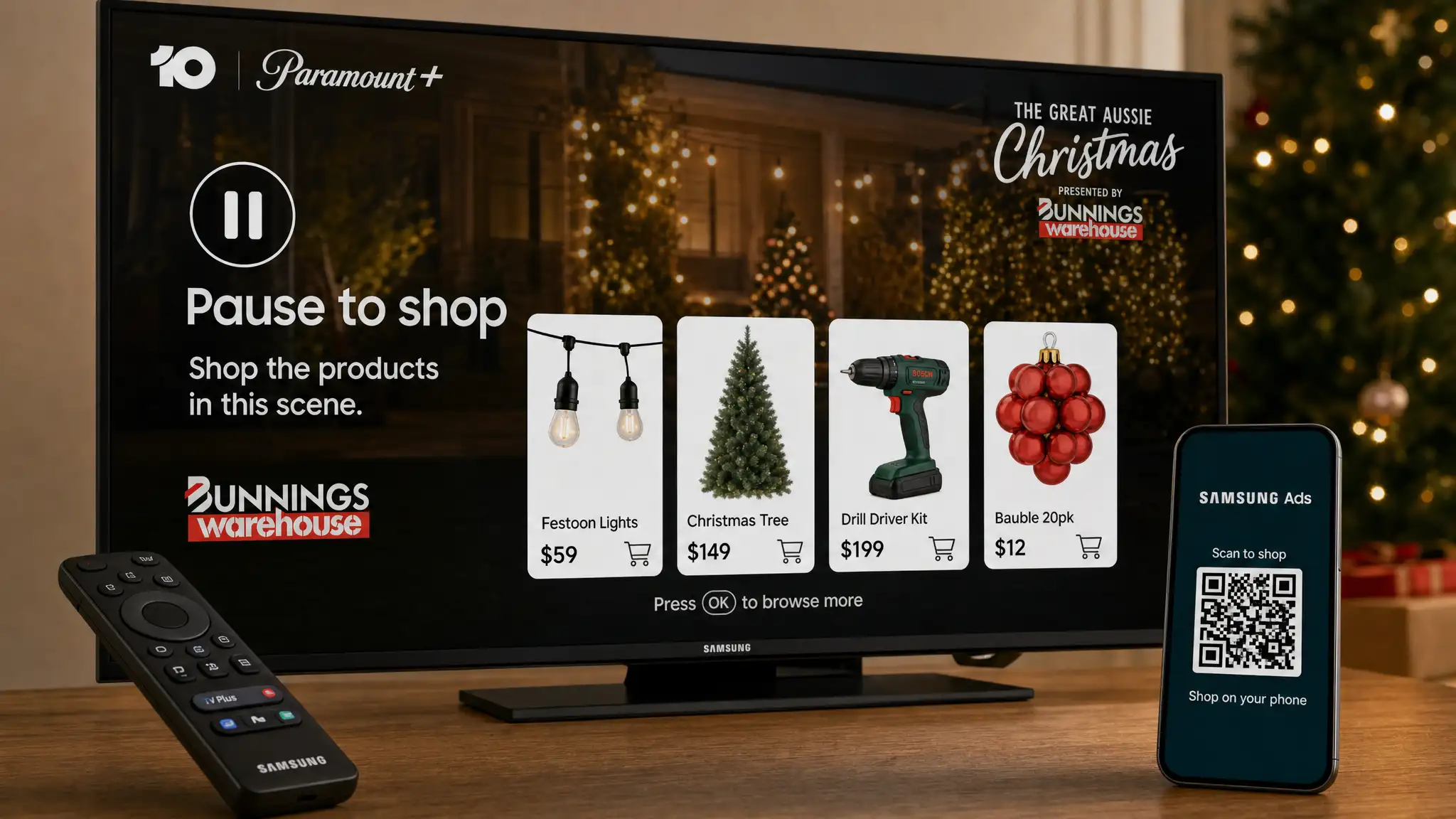
The consumer-facing offer remains only as reliable as the merchant data behind it. In a November 4 contributed article for Streaming Media, Digital Darts owner Joshua Uebergang explained that product titles, images, prices, sale prices and availability displayed with shoppable YouTube advertising are drawn from a retailer’s Google Merchant Center feed—not supplied by the video production team. Google completed the transition of Video Action Campaigns to Demand Gen by April 2026; advertisers can connect Merchant Center product feeds to campaigns distributed across YouTube, Shorts and other Google surfaces. On connected televisions, Google-generated QR codes can move viewers from an ad to shopping on a phone. (streamingmedia.com)
Uebergang warned that delayed feed refreshes can leave an ad showing an expired price or unavailable variant. Google’s automatic item updates may correct some discrepancies from landing-page data, but Google says they do not replace regular product-data updates. Merchant Center also requires images of at least 500 by 500 pixels for CTV product feeds; that minimum is scheduled to cover all product images beginning January 31, 2027. (streamingmedia.com)
ConsumerEXP analysis: Brands should treat creator selection, analytics and feed management as one commerce workflow. A compelling video and attractive commission cannot produce a clean purchase experience if the tagged item reaches an incorrect price, undersized image or sold-out product page.
Footnotes
Articles used to create this Fact Brief
- Shoppable YouTube Ads Are Only as Good as the Google Shopping Feed Behind ThemStreaming Media
- YouTube tests new Shorts incentivesSocial Media Today
Continue reading