Ideas
IdeasIndustry Media
Disney Price Hikes Intensify the Race to Become Viewers’ Default TV Service
Disney, Prime Video and Roku are using sharply discounted bundles to secure loyalty, reduce churn and control television discovery.
Disney’s latest Disney+ and Hulu increases make bundling far more attractive as Prime Video and Roku also aggregate services to reduce churn and control TV discovery.
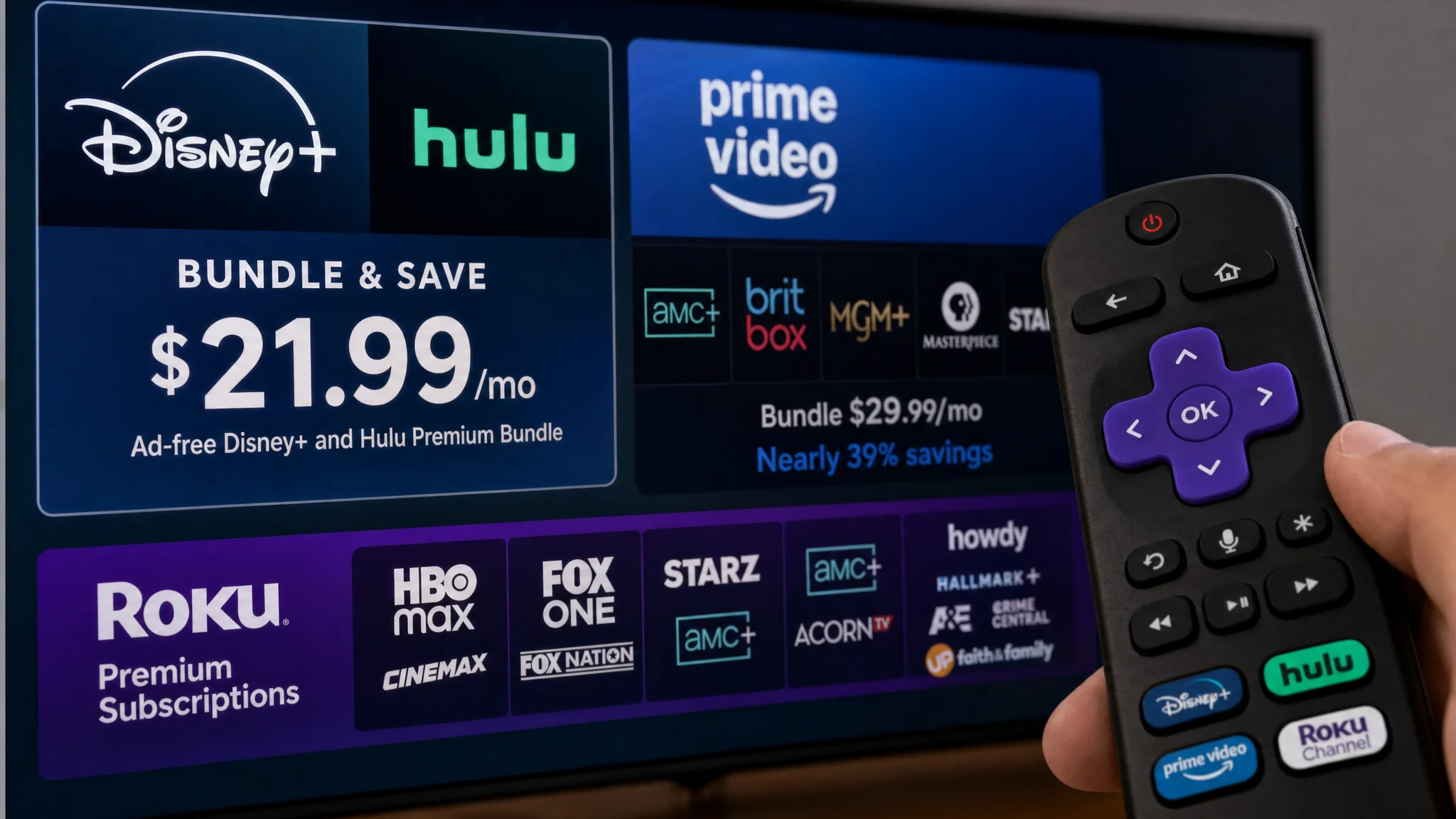
The Walt Disney Company raised U.S. prices for Disney+ and Hulu on September 23, making its two-service bundle dramatically cheaper than buying the services separately. Disney+ Premium and Hulu Premium, both without ads, increased by $2.50 each to $21.49 per month. Yet the ad-free Disney+ and Hulu Premium Bundle rose only $2 to $21.99—just 50 cents more than either standalone service and nearly half the combined $42.98 standalone cost.
Disney also increased each standalone ad-supported plan by 50 cents to $12.49, while keeping the Disney+ and Hulu bundle with ads at $12.99. The pricing gives customers a strong financial reason to take both services, potentially increasing Disney’s opportunities to recommend programming, sell advertising and make its combined platform the first place viewers begin watching.
Amazon and Roku are pursuing the same strategic position through aggregation. On September 16, Prime Video launched its first U.S. bundle combining five subscription services: AMC+, BritBox, MGM+, PBS Masterpiece and Starz. The package costs $29.99 per month, which Prime Video said represents nearly 39% savings compared with separate subscriptions. Ryan Pirozzi, head of Prime Video Channels in the United States, positioned the offer around selection, value and the convenience of accessing the services in one place.
Roku followed with more than 30 discounted Premium Subscription bundles distributed through The Roku Channel. Its combinations include HBO Max and Cinemax for $23 monthly, Fox One and Fox Nation for $25, Starz and AMC+ for $16, and AMC+ and Acorn TV for $13. Roku also gave its own ad-free Howdy service exclusive pairings with Hallmark Plus, A&E Crime Central and Up Faith & Family. Roku reported that subscription revenue had risen 30% year over year to $518.5 million in its first quarter.
The commercial stakes extend beyond short-term sign-ups. Hub Entertainment Research’s August survey of 1,600 U.S. broadband TV viewers found that 62% of Netflix users who considered it their default would keep it if limited to one service, versus 28% of Netflix users overall. For Disney+, the comparison was 61% versus 10%. Hub also found that 69% had kept their default source for more than two years.
ConsumerEXP analysis: Bundles now function as retention and platform-control tools. The distributor that becomes television’s default interface can influence discovery, advertising exposure and which programmers viewers keep when household budgets tighten.
Footnotes
Articles used to create this Fact Brief
- Disney+, Hulu Upping Ad-Free, Bundled Monthly PricingMedia Play News
- Hub: Streamer’s Default TV Status Best Defense Against Subscriber ChurnMedia Play News
- Roku takes on Prime Video with more streaming subscription bundlesThe Desk
- Prime Video Launches Five-Service Streaming Bundle in the U.S.TV Technology
Continue reading